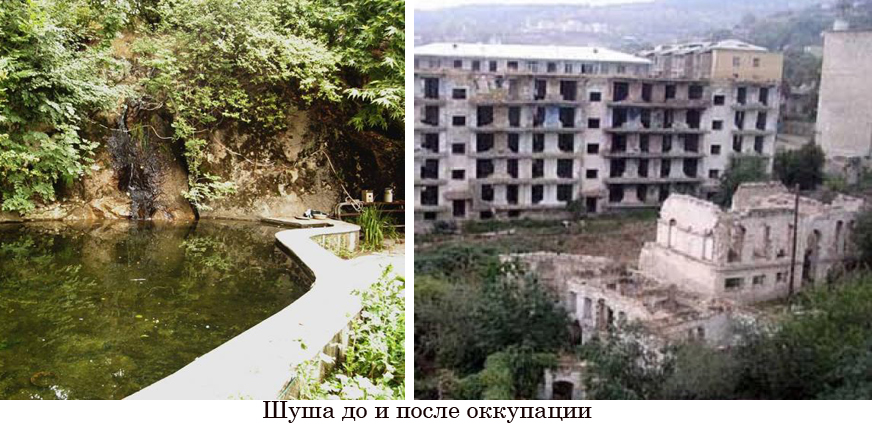
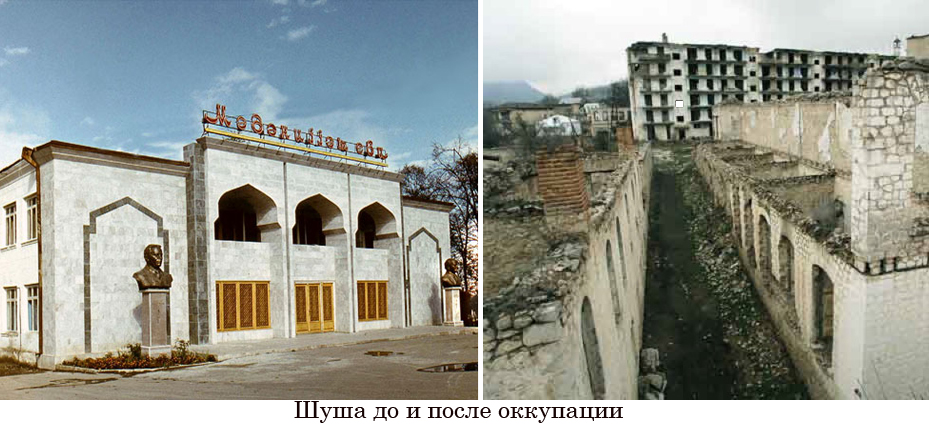
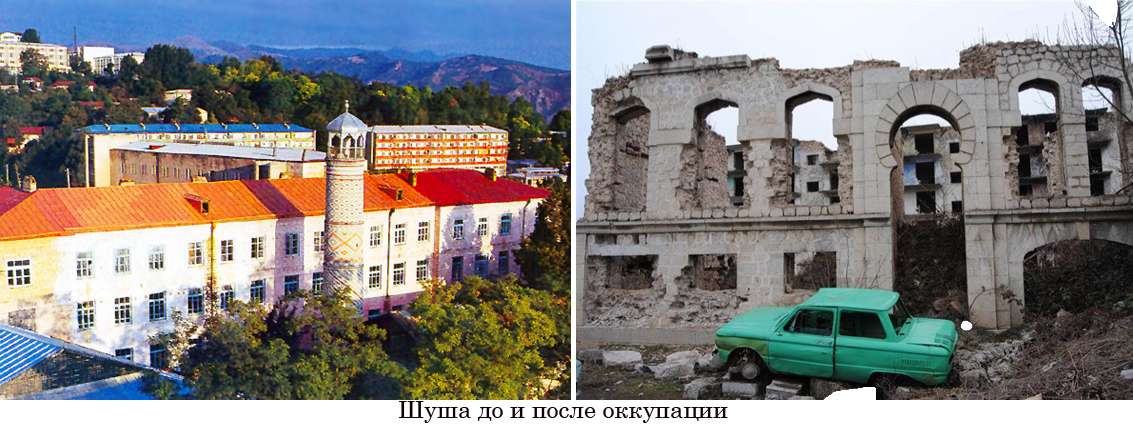
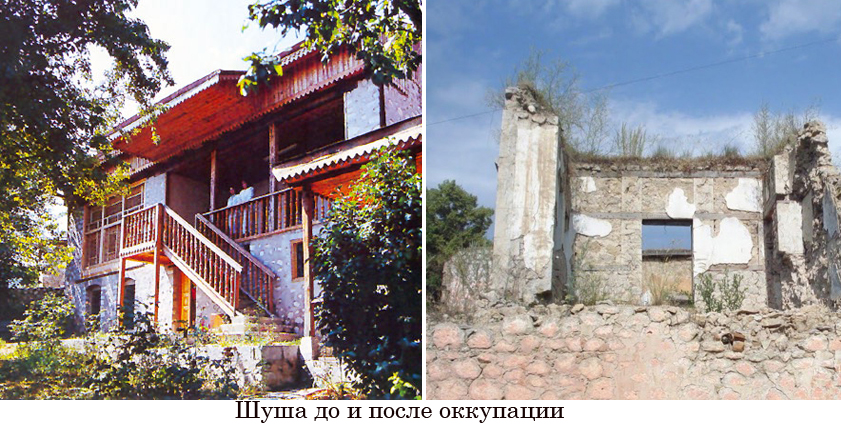
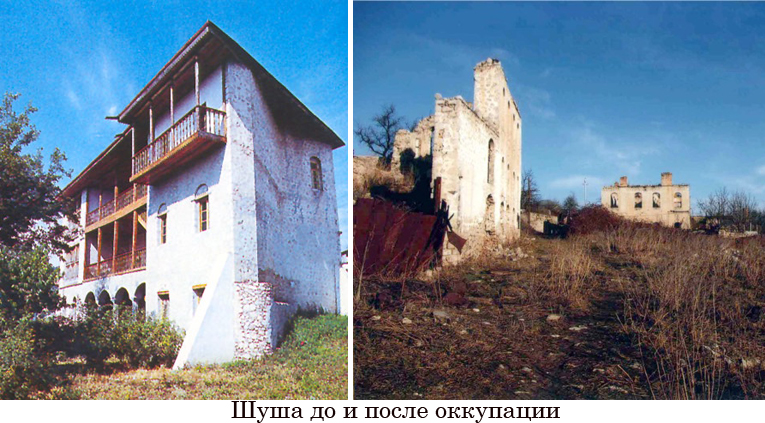
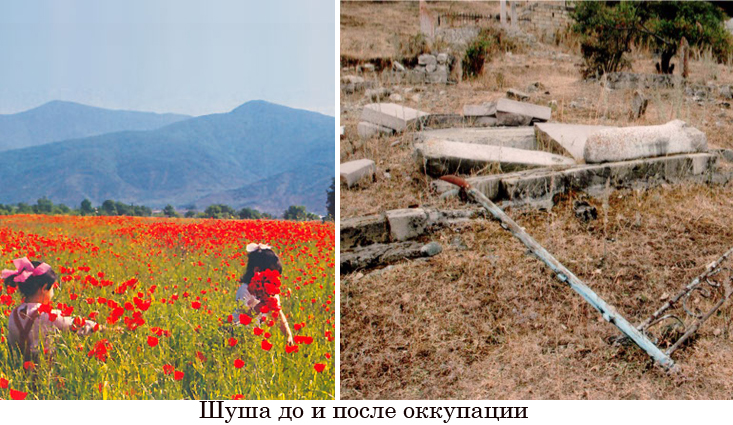
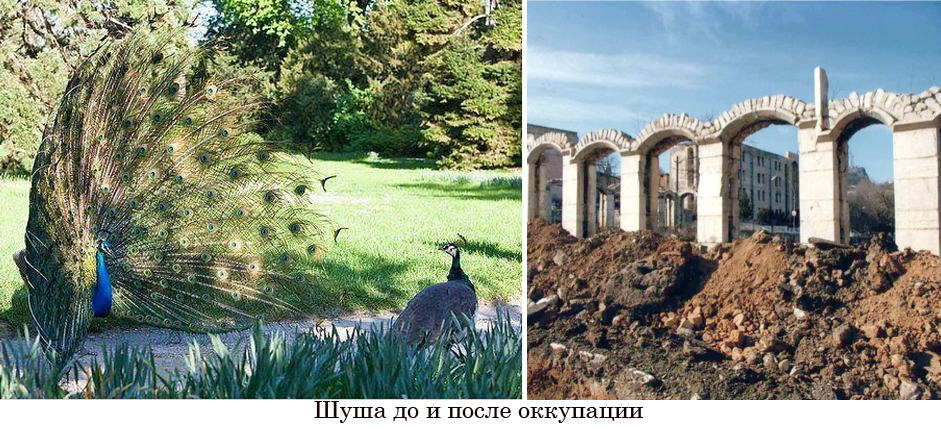
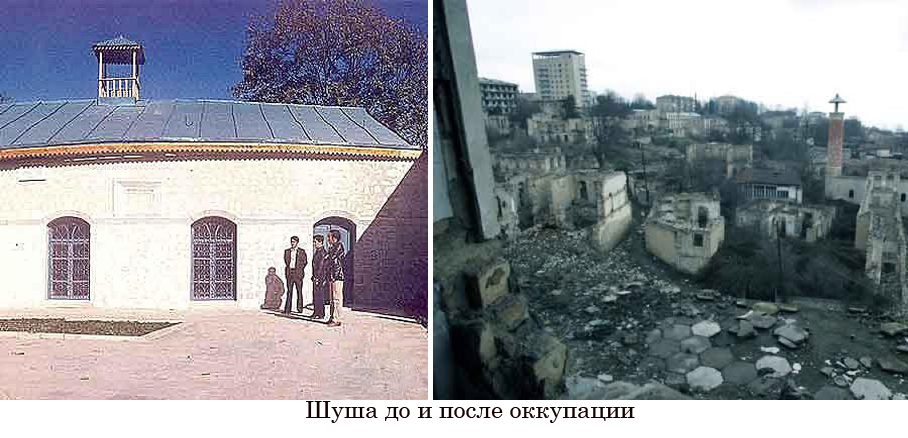
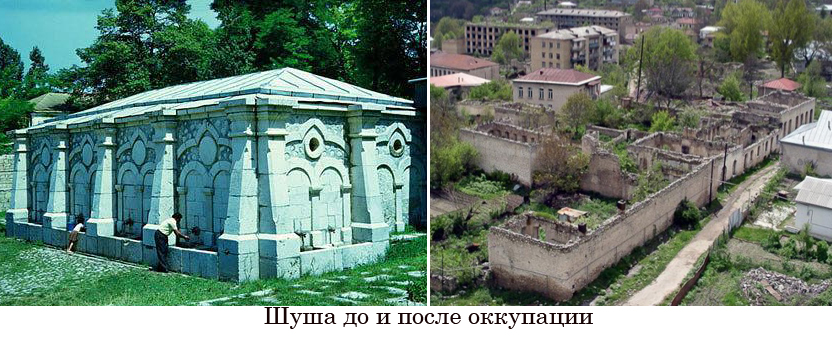
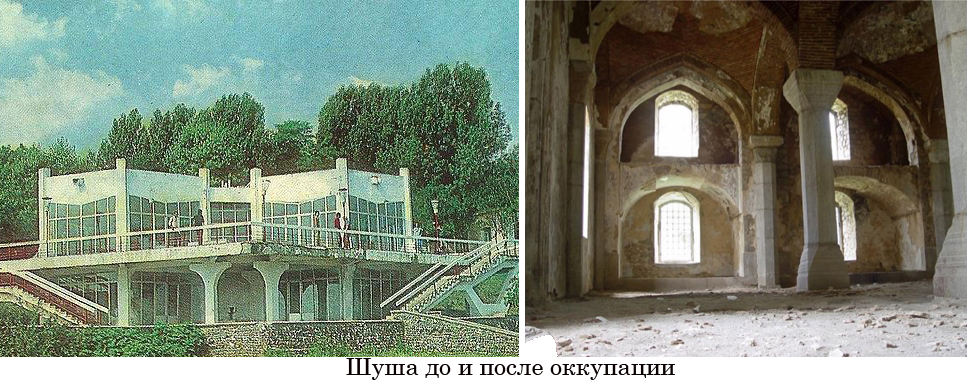
May 8th marks a tragic date in the history of Azerbaijan - the 25th anniversary of the occupation of Shusha, the cradle of Azerbaijani culture. The attack on Shusha was started a few hours after talks between the presidents of Azerbaijan and Armenia on the Nagorno-Karabakh conflict were initiated in Tehran with the help of the Iranian Foreign Ministry, which resulted with a signed peace agreement. 20% of Azerbaijan, including the Nagorno-Karabakh region and seven surrounding districts, are still under the occupation of the Armenian armed forces. Today these seven Azerbaijani districts is an uninhabited desert. The UN Security Council's four resolutions on the liberation of the Nagorno-Karabakh and the surrounding regions have not yet been carried out by Armenia.
A US State Department reference about the history of the Nagorno-Karabakh conflict, which was distributed on March 30, 2001, runs: "... In May 1992, the Armenian and Karabakh forces captured Shusha (the historical capital of the region inhabited by Azerbaijanis) and Lachin, thereby ensuring the geographical link of the Nagorno Karabakh with Armenia". The capture of the city of Shusha was the result of a carefully planned script developed by the Armenian nationalist organizations, which were operating in the French city of Lyon and in the Iranian capital Tehran. This version is confirmed by the Armenian writer Zoriy Balayan in an interview with the newspaper Le Progress on April 14, 1994: "...The first plan regarding Shushi was developed on May 2 in Tehran. And on May 3 we already knew that Shusha will be ours in the very near future". In the Iranian city of Isfahan, in the meeting hall of the Armenian community, director Ahmed Bagir Yadigari showed his documentary about the capture of Shusha and the fate of 114 Azerbaijani captives. All of them were brutally murdered.
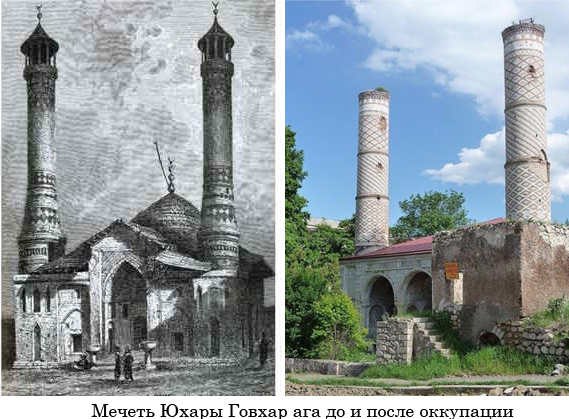
Then many people were shocked by the massacre by the Armenian militants on defenseless people. The armed bandits, possessed by national hatred, shot not only at people, they also shot at souls once united by harmony of music, art, architecture of the fertile ground of Karabakh, adorned with wooded mountains, mountain rivers and clean springs.
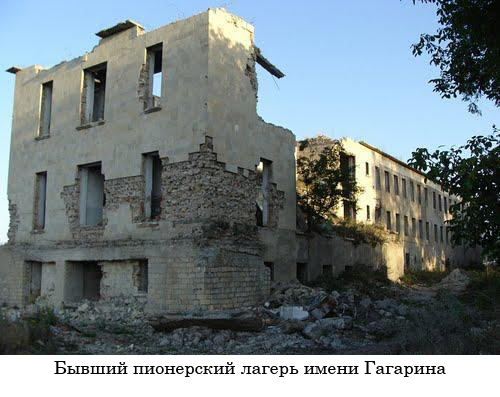
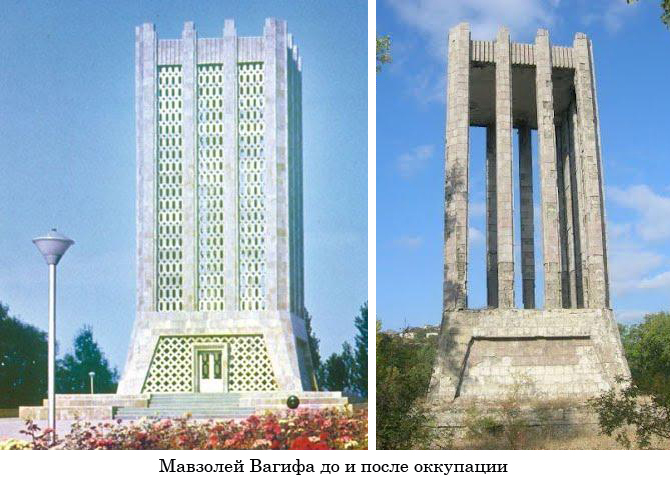
Historical and architectural monuments, caravanserais, palaces, mosques, mausoleums, graveyards, cemeteries, tombstones were destroyed in Karabakh. As a result of the ethnic cleansing committed by Armenian nationalists and acts of vandalism, historical and architectural monuments were razed to the ground, and cemeteries were destroyed.
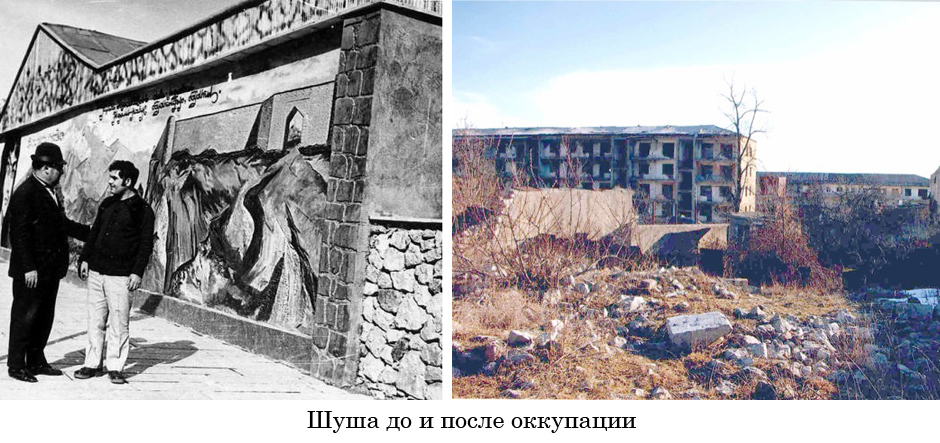
In Shusha alone, the historical and architectural reserve of the XVIII-XIX centuries, the Shusha Historical Museum, the house museum of Uzeyir Hajibeyov, the house-museum of Bulbul, the Shusha branch of the State Museum of the Azerbaijani Carpet, the Karabakh State Historical Museum, the Karabakh Literature Museum, the house-museum of Mir Mohsun Nəvvab and the State Art Gallery are still destroyed or abandoned.
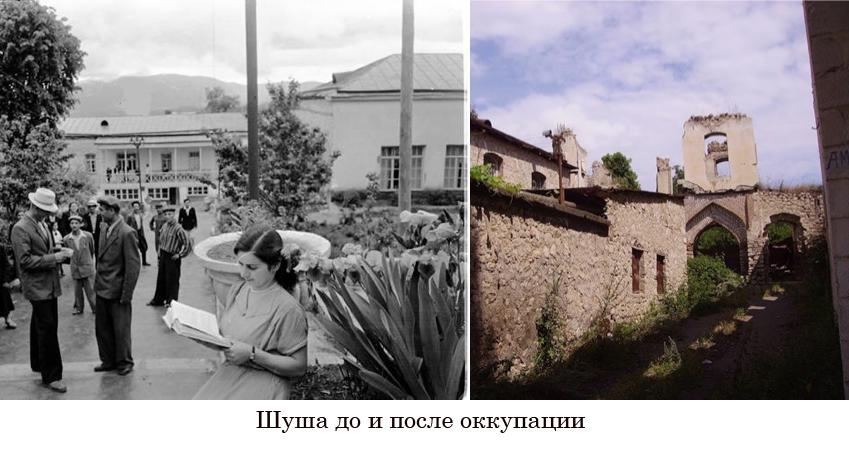
With the occupation of Shusha, the aggressive war went beyond the administrative borders of what was then the Karabakh autonomy. At the same time, the occupation policy isolated Armenia from participating in the implementation of major economic projects in the region. The once flourishing Azerbaijani land, where people of different nationalities were living in peace and harmony, is fading now. Broken roads, destroyed cities and villages, lack of infrastructure indicate that Nagorno Karabakh, blockaded by the Armenian separatists, is deprived of any prospects, while maintaining the status quo.
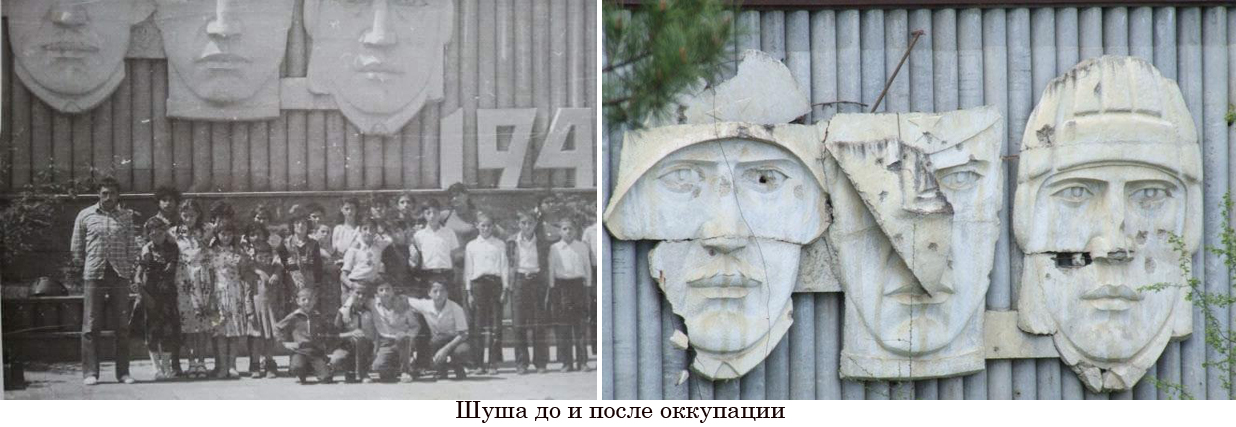
Today, Baku once again urged the international community to exert political and diplomatic pressure on Armenia to force it to withdraw its armed forces from Azerbaijan’s occupied territories, and took a constructive position in the settlement of the Nagorno-Karabakh conflict. The Azerbaijani Foreign Ministry's statement in connection with the 25th anniversary of the occupation of Shusha says that the city, which has been under occupation for 25 years, is an inalienable part of the internationally recognized territories of Azerbaijan. The document notes that in total disregard of the position of the international community and in flagrant violation of the international law, Armenia still refuses to withdraw its troops from occupied territories of Azerbaijan, changes demographic characters of the seized lands and tries to further consolidate the status quo. If Armenia fails to stop its occupation, Azerbaijan retains its inherent rights to ensure the restoration of its sovereignty and territorial integrity within the internationally recognized borders.