
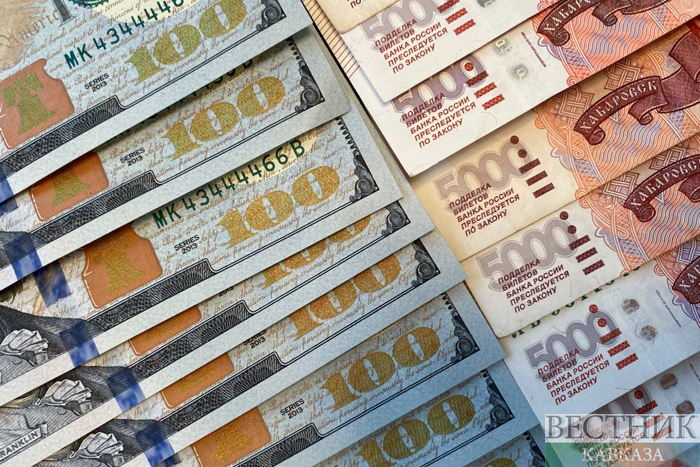
The Russian ruble has staged a stunning rally in 2025, emerging as the world’s top-performing currency so far this year. In the midst of a special operation, declining oil prices and stiff sanctions, Russia’s ruble has been rising, CNBC reported.
"In fact, it is the world’s best-performing currency so far this year, according to Bank of America, with gains of over 40%. The ruble’s stunning rally in 2025 marks a sharp reversal from the past two years when the currency had depreciated dramatically," CNBC said.
The strength in the ruble has less to do with a sudden jump in foreign investors’ confidence than with capital controls and policy tightening, market watchers told CNBC. The weakness in the dollar comes as an added bonus.
Russia’s central bank has maintained a restrictive stance to curtail high inflation, keeping domestic interest rates high at 20% and tightening credit. The steep borrowing costs are deterring local businesses from importing goods, in turn reducing demand for foreign currency among Russian businesses and consumers, said industry watchers.
There’s been a decline in foreign currency demand from local importers, given weak consumption.
That decline has given the ruble a boost as banks don’t need to sell rubles to buy the dollar or yuan. In the first quarter of 2025, there was an “overstocking” in consumer electronics, cars and trucks which were actively imported in the second half of last year in anticipation of the increase in import duties. The consumer activity cooldown was primarily in the durable goods sector, which made up a sizable portion of Russia’s imports.
The Russian government requires large exporters to bring a portion of their foreign earnings back into the country and exchange them for rubles on the local market. In particular, the oil industry has been converting foreign earnings back into rubles.
Further, hopes for a peace deal between Ukraine and Russia had also sparked some optimism. Expectations of Russia’s reintegration into the economy had prompted some capital flows back into ruble-denominated assets, in spite of the capital controls, which have supported the currency’s strength to some extent, CNBC added.





