OPEC plus nations agree to keep production quotas
The seven OPEC+ nations, namely Saudi Arabia, Russia, Iraq, Kuwait, Kazakhstan, Algeria, and Oman, have agreed keep oil production quotas in December at the previous month’s level, OPEC said.
The seven OPEC+ nations, namely Saudi Arabia, Russia, Iraq, Kuwait, Kazakhstan, Algeria, and Oman, have agreed keep oil production quotas in December at the previous month’s level, OPEC said.
The seven OPEC+ nations, namely Saudi Arabia, Russia, Iraq, Kuwait, Kazakhstan, Algeria, and Oman, have agreed keep oil production quotas in October at the September, OPEC said.
Venezuela is considering whether it should quit OPEC, potentially delivering a fresh blow to the oil cartel it helped create more than six decades ago, Bloomberg reported, citing people familiar with the matter.
The seven OPEC+ nations, namely Saudi Arabia, Russia, Iraq, Kuwait, Kazakhstan, Algeria, and Oman, have agreed to increase daily oil production in September by 188,000 (on August), OPEC said after their meeting.
Today, the first meeting under the OPEC+ Charter of Cooperation is underway in Baku.
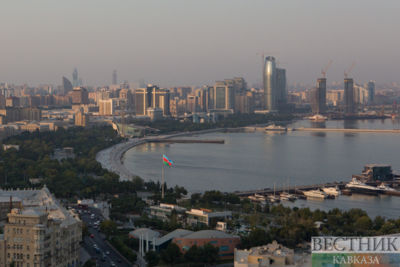
Seven OPEC+ members have agreed to boost oil output by 188,000 bpd in August
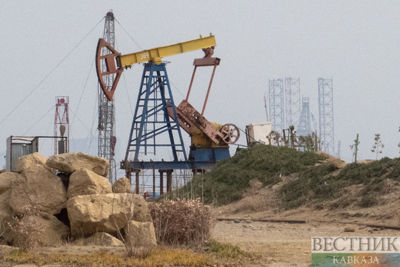
Seven OPEC+ countries have decided to increase their oil production quotas by 188,000 barrels per day (bpd) in July, thus bringing the alliance's total quota for July to 35.83 million bpd, excluding overproduction compensation for countries violating the OPEC+ deal, OPEC said.
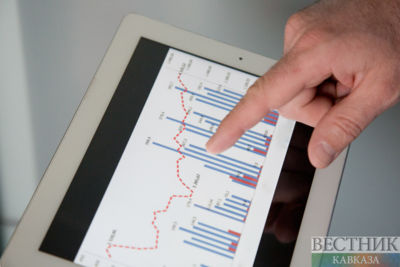
Seven key OPEC+ members (Russia, Saudi Arabia, Iraq, Kazakhstan, Kuwait, Oman and Algeria) have decided to raise oil output quotas by 188,000 barrels per day (bpd) in June, the group said in a joint statement.
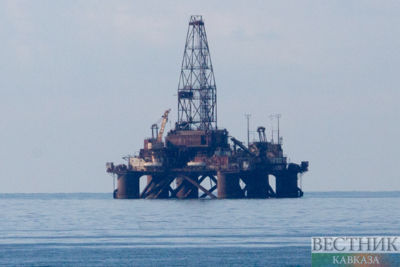
According to a source, the UAE may not participate in the next OPEC+ meeting. The organization's countries may also exclude Abu Dhabi from quota allocations.

The global oil market is experiencing a deep crisis, with large volumes of oil not reaching the market, Russian Deputy Prime Minister Alexander Novak said.
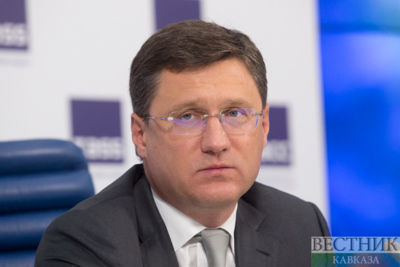
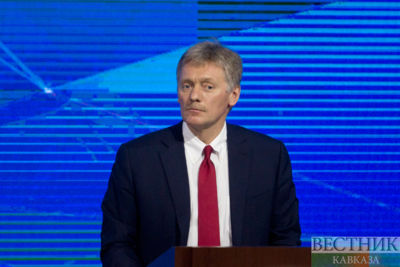
Russia is not considering exiting the OPEC+ format, Kremlin Spokesman Dmitry Peskov said.
The United Arab Emirates exit from OPEC would be painful for the oil cartel, undermining Saudi Arabia’s ability to influence global oil prices through it, the Canadian newspaper The Globe and Mail said.
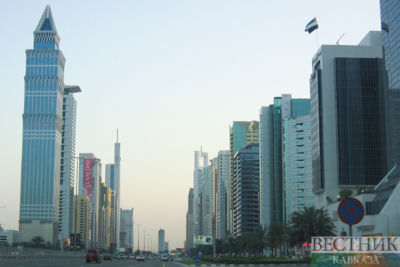
The United Arab Emirates decision to leave OPEC is a "sovereign, strategic choice" based on the country's long-term economic vision, UAE Foreign Ministry communications director Afra Mahash Al Hameli said.

The United Arab Emirates decided to exit from OPEC and OPEC+ from May 1 of this year, WAM state agency said.

Abu Dhabi will not sever ties with oil-exporting countries after leaving OPEC

The UAE's state news agency WAM reported that the UAE intends to leave OPEC and OPEC+

Crude oil production in the major Gulf Arab exporters plunged in March due to the Iran war, according to data released by OPEC.

Eight leading OPEC+ countries have decided to increase oil production by 206,000 barrels per day (bpd) in May (compared to April levels), the organization’s statement said.

Particular attention was paid to cooperation within OPEC+

The OPEC+ nations have noted the high oil market volatility amid the geopolitical tensions stemming from the development around Venezuela and Iran, Russian Deputy Prime Minister Alexander Novak said.
