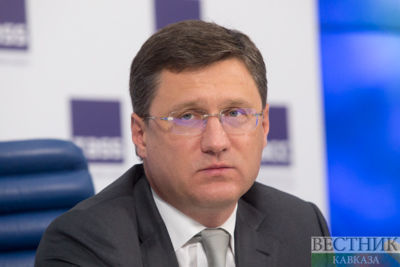
Russia aims to meet OPEC quota obligations
According to Alexander Novak, Russia intends to comply with its established oil production quota and fulfil its OPEC+ obligations to the fullest possible extent.
According to Alexander Novak, Russia intends to comply with its established oil production quota and fulfil its OPEC+ obligations to the fullest possible extent.
Current disruptions in oil supplies have driven up insurance and transportation costs, which now account for more than one-third of the oil's price, according to an OPEC statement released following the meeting of OPEC and OPEC+ ministers in Riyadh.
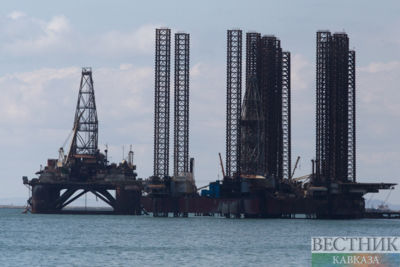
Saudi Arabia has cut oil shipments to Europe after drone attacks damaged its key export pipeline to the Red Sea, trade sources told Reuters.
The seven OPEC+ nations, namely Saudi Arabia, Russia, Iraq, Kuwait, Kazakhstan, Algeria, and Oman, have agreed keep oil production quotas in October at the September, OPEC said.
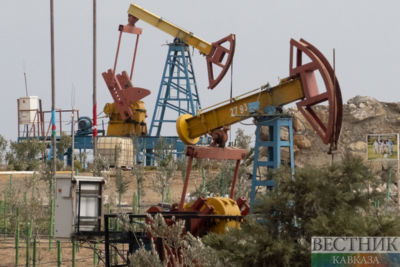
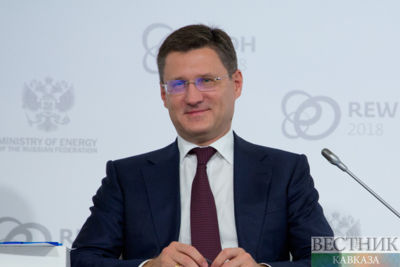
Global oil demand is recovering, as evidenced by the OPEC Secretariat and industry experts, Russian Deputy Prime Minister Alexander Novak said.
Venezuela is considering whether it should quit OPEC, potentially delivering a fresh blow to the oil cartel it helped create more than six decades ago, Bloomberg reported, citing people familiar with the matter.
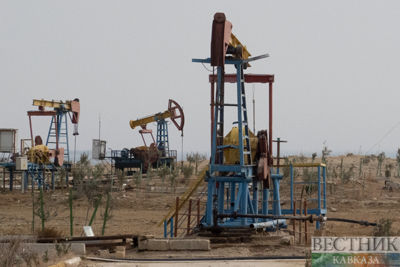
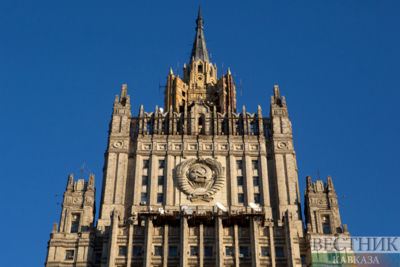
Russia continues to work with OPEC+ partners to stabilise the oil market, a Foreign Ministry spokesperson stated.
The seven OPEC+ nations, namely Saudi Arabia, Russia, Iraq, Kuwait, Kazakhstan, Algeria, and Oman, have agreed to increase daily oil production in September by 188,000 (on August), OPEC said after their meeting.
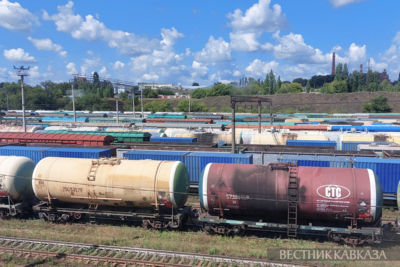
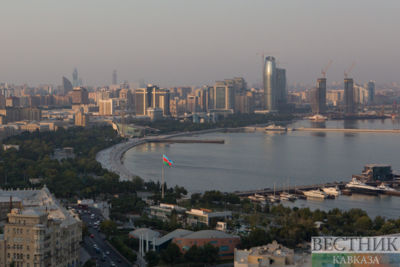
Today, the first meeting under the OPEC+ Charter of Cooperation is underway in Baku.
Russia cut oil production by 61,000 barrels per day in June compared with May, according to the latest OPEC report.
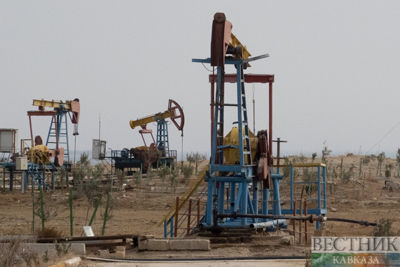
OPEC’s crude oil production surged last month as Persian Gulf members restored exports through the Strait of Hormuz amid a peace accord between the U.S. and Iran.
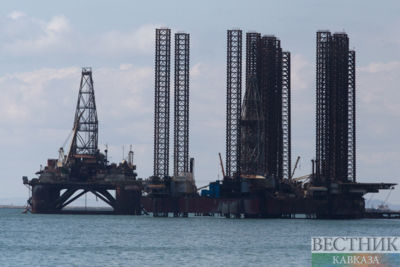
Iraq has considered leaving OPEC if the oil producer group does not allow Baghdad to significantly increase oil production, Reuters reported, citing sources.
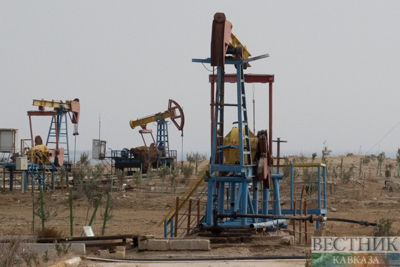
OPEC predicts that global oil demand will rise by 19 million barrels per day over the next quarter-century, with India expected to lead the growth.
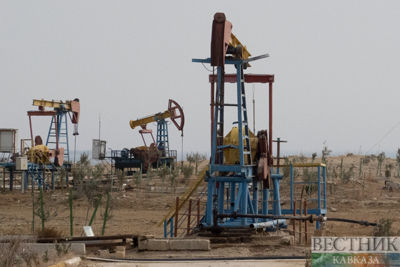
Seven OPEC+ countries have decided to increase their oil production quotas by 188,000 barrels per day (bpd) in July, thus bringing the alliance's total quota for July to 35.83 million bpd, excluding overproduction compensation for countries violating the OPEC+ deal, OPEC said.

Global oil prices could rise by another approximately $100 per barrel under new restrictions on Russian oil and exceed $250 per barrel, Executive Secretary of the presidential commission on fuel and energy sector development strategy and environmental security and Rosneft CEO Igor Sechin said.
According to OPEC, Russian oil accounted for the majority of India and China's oil imports in March of this year.
Oil production in OPEC countries dropped in April 2026 by 420,000 barrels per day to a 36-year minimum, Bloomberg reported.
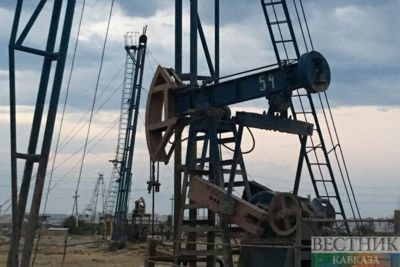
The United Arab Emirates withdrew from the Organization of Arab Petroleum Exporting Countries (OAPEC) from May 1, the organization said in a statement.
Seven key OPEC+ members (Russia, Saudi Arabia, Iraq, Kazakhstan, Kuwait, Oman and Algeria) have decided to raise oil output quotas by 188,000 barrels per day (bpd) in June, the group said in a joint statement.
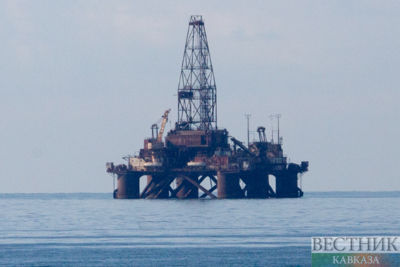
The global oil market is experiencing a deep crisis, with large volumes of oil not reaching the market, Russian Deputy Prime Minister Alexander Novak said.