Russia supplies EU with energy resources worth 213 bln dollars
Russia supplied Europe with energy resources worth $21.3 billion in nine months of 2026, Deputy Prime Minister Alexander Novak said.
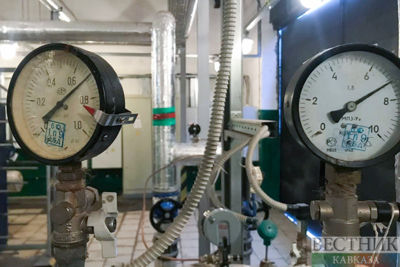
Russia supplied Europe with energy resources worth $21.3 billion in nine months of 2026, Deputy Prime Minister Alexander Novak said.
The European Union approved the 22nd package of anti-Russian sanctions, including about 1,600 companies and individuals said to be associated with the Russian defense industry into the black list, EU diplomacy chief Kaja Kallas said.
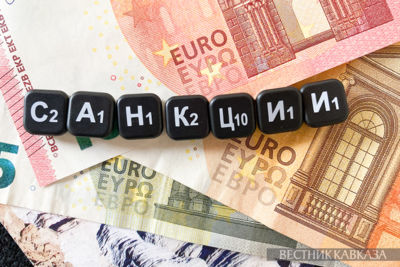
EU ambassadors have agreed to extend sanctions against Russia by just one week to resolve internal disagreements over the restrictions, EUobserver reported, citing diplomats.
The European Commission aims to adopt its 22nd package of sanctions against Russia in October, blacklisting an additional 1,600 companies to compensate for its heavily watered-down 21st package, Bloomberg reported, citing anonymous sources in Brussels.
Brussels failed to agree on the 21st package of sanctions against Russia, which was expected to include compromise measures on LNG and Russian product imports.
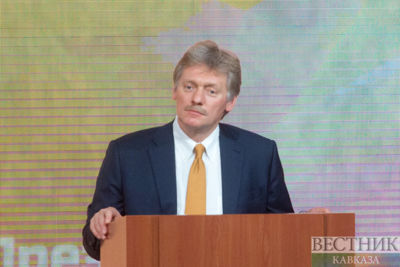
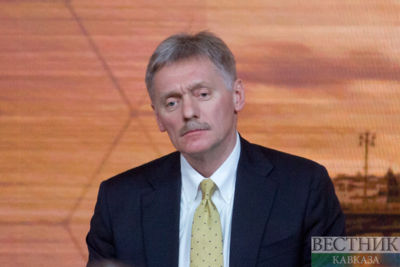
Russia remains open to dialogue with European countries, Russian Presidential Spokesman Dmitry Peskov said.
Estonia and 8 European countries have demanded that European Commissioner for Sport Glenn Micallef stop funding the International Olympic Committee
Serbia will never impose sanctions on Russia despite immense pressure, Minister in charge of Serbian international economic cooperation Nenad Popovic said as …
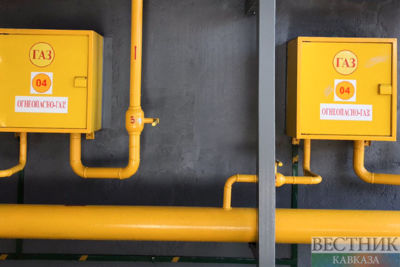
Brussels is to stop importing Russian pipeline gas under short-term contracts as of today. A ban on LNG imports had already taken effect earlier.
Being under sanctions does not prevent Russian banks from maintaining full stability, generating strong profits, and continuing to expand, Russian presidential spokesman Dmitry Peskov said at a briefing while commenting on the EU's plans to impose new sanctions on Russia's banking system.
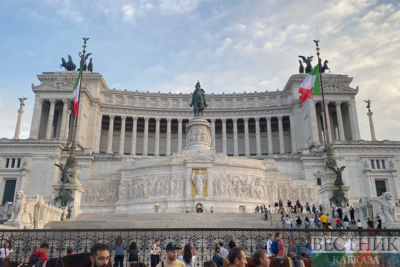
It’s time for Europe to find ways to interact with Moscow, Italian Prime Minister Giorgia Meloni said, addressing the lower house of parliament.
The European Union is considering imposing new restrictive measures against Russian companies Lukoil and Rosneft as part of preparations for the 21st sanctions package, Politico reported, citing documents related to negotiations on sanctions policy.
The European Union is becoming more realistic amid the current energy crisis and is beginning to corrects its mistakes, Russian president’s special envoy for investment and economic cooperation with foreign countries and CEO of the Russian Direct Investment Fund (RDIF) Kirill Dmitriev said.
Armenian authorities are not even discussing the possibility of leaving the EAEU, Deputy Prime Minister Mher Grigoryan said. According to Grigoryan, Armenia will make a choice between the European Union and the EAEU only when it becomes …
According to media reports, the EU's price cap on Russian oil may be frozen amid the ongoing blockade of the Strait of Hormuz.
The Kremlin views active discussions in Europe on the necessity of a dialogue with Russia as a positive change, Russian presidential press secretary Dmitry Peskov said.
EU Foreign Ministers agreed on the latest, 20th package of sanctions against Russia. Furthermore, EU diplomats approved €90 billion in funding for Ukraine.
Ukraine will resume transit of Russian oil to Hungary via the Druzhba pipeline at noon on April 21, Hungarian Minister for European Union Affairs Janos Boka said.
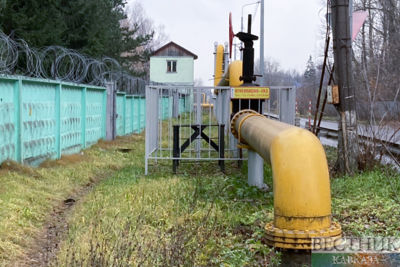
The European Union increased imports of liquefied natural gas (LNG) from Russia’s Yamal LNG project in the first three months of 2026 by 17% year-on-year, amid supply disruptions from the Middle East, the Financial Times reported, citing analytics firm Kpler.
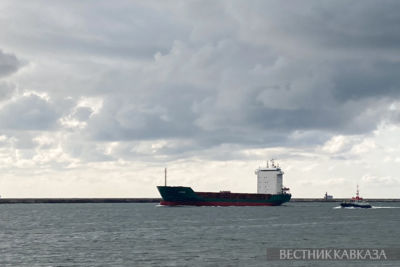
Russia will fully redirect its energy exports to new and growing markets if they prove more attractive, Kremlin Spokesman Dmitry Peskov said.