Oil price surges amid Mideast tensions
Oil prices climbed on Tuesday as investors continued to monitor simmering tensions in the Middle East and U.S. front-month futures contracts neared expiry.
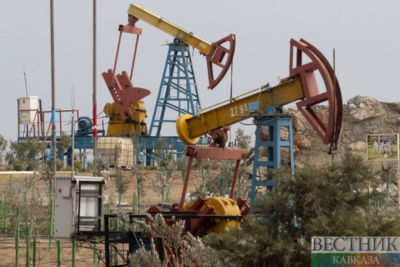
Oil prices climbed on Tuesday as investors continued to monitor simmering tensions in the Middle East and U.S. front-month futures contracts neared expiry.
Russian holding Gazprom and Iran's NIGC are discussing both a gas pipeline to export fuel from Russia to Iran and the pricing mechanisms for the gas to be purchased.
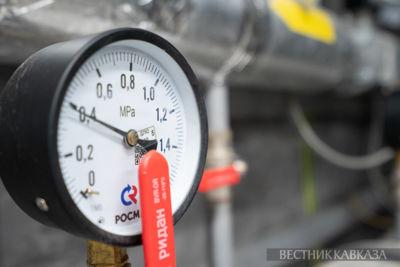
The price of Azerbaijan's Azeri Light crude fell by $3.75, or 2.85%, from the previous level to $127.87 per barrel on a CIF basis at Italy's Augusta port.
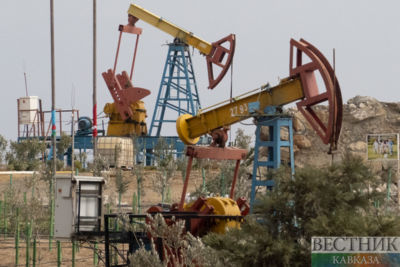
US leader Donald Trump and Russian leader Vladimir Putin discussed the export of Russian petroleum products during a phone call

The price of Azerbaijan’s Azeri Light crude on a CIF basis at the Italian port of Augusta rose by $0.81, or 0.6%, from the previous level to $131.62 per barrel, according to oil market participants.
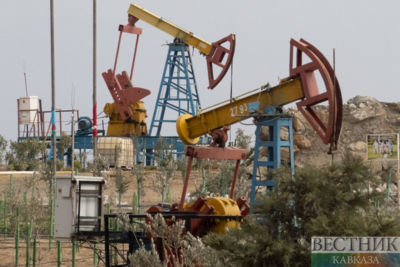
The International Monetary Fund has predicted a nearly 41% increase in oil prices this year, at an average of $96 a barrel. The …
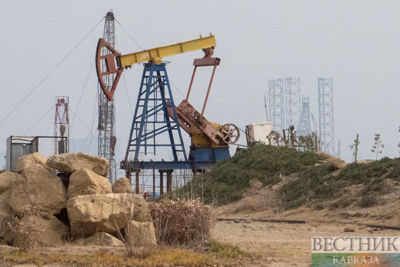
The price of futures contracts of Brent crude oil for December 2026 delivery on London’s ICE has risen above $106 per barrel for the first time since September 29, 2026, according to trade data.

The head of the Finance Ministry emphasized that the base price of Urals crude will fall from $59 per barrel this year to $50 over the upcoming three-year period

This morning, Brent crude fell to $96.69 per barrel and WTI dropped to $88.90, while the price of Azeri Light rose to $112.29 per barrel.

The situation in the Strait of Hormuz has reached a critical point amid the military confrontation between the United States and Iran

Global oil prices will drop following a US victory in the war against Iran, Trump stated, noting that the US has already won the conflict militarily

The price of a barrel of Azerbaijani Azeri Light crude rose in global market trading, surpassing the $125 mark.
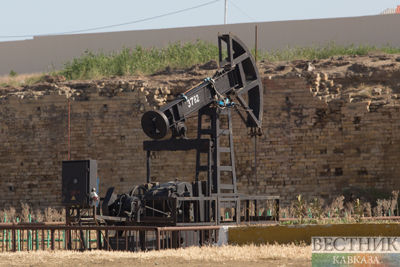
The price of Azerbaijan’s Azeri Light crude on a CIF basis at the Italian port of Augusta increased by $3.69, or 3.13%, compared with the previous figure, to $121.43 per barrel.
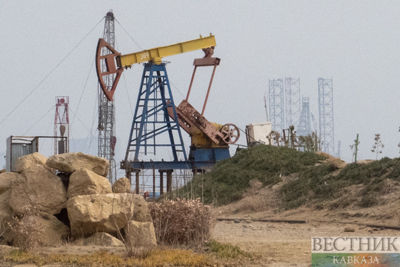
The price of Brent crude futures for November 2026 delivery on the London-based ICE exchange slid below $98 per barrel for the first time since September 8 of this year, market data showed on Tuesday.

The price of Azerbaijan’s Azeri Light crude on a CIF basis at the Italian port of Augusta decreased by $5.54, or 4.53%, compared with the previous figure, to $116.83 per barrel.

Oil prices fell more than 2% Monday as hopes for renewed U.S.-Iran talks and a recovery in Saudi crude exports eased supply concerns that have kept prices elevated in recent weeks.

According to the Financial Times, container ship traffic through the Strait of Hormuz towards the Persian Gulf fell by 94% between March 1 and September 7 this year.

This morning, Brent crude dropped to $103.68 per barrel, a decline of more than 1% from the previous session, while WTI prices also fell.

Oil prices are falling today, with Brent losing more than 3.3% and WTI over 2.5%, bringing prices back to early‑September levels.
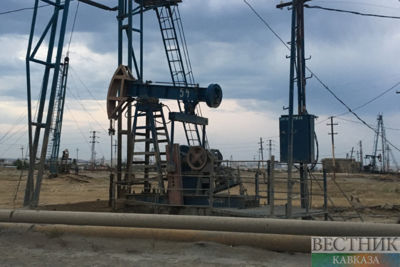
The CIF price of Azerbaijan's Azeri Light crude at Italy's Augusta port decreased by $5.88, or 4.59%, from the previous level to $122.15 per barrel, a source in the oil market said.