
A team of U.S. researchers have been using ground-penetrating radar to scan the Durupinar Formation in Turkey, and they believe they have found evidence of Noah's Ark.
Archaeologists have made a stunning discovery using radar technology to locate what they believe are remnants of Noah's ark in Turkey. Ground Penetrating Radar analysis has revealed a "chemical imprint" along with "pieces of wood in the ground" and "the shape of a hall."
According to Biblical accounts, this enormous vessel rescued humanity and every animal species from a devastating flood more than 4,300 years ago. A U.S. research team investigating the Durupinar Formation has now uncovered evidence of angular structures and a cavity deep inside the mountain.
Researcher Andrew Jones from Noah's Ark Scans employed ground-penetrating radar to detect what appeared to be a 13-foot passageway cutting through the formation's center.
The team's GPR data analysis claims to have identified central and side passages or corridors throughout the vessel. The scans additionally detected three distinct layers underground, corresponding with the Biblical description of the ark containing three levels, Daily Express US reported.
"We're not expecting something that's fully preserved. What's left is the chemical imprint, pieces of wood and in the ground, the shape of a hall," Andrew Jones said.
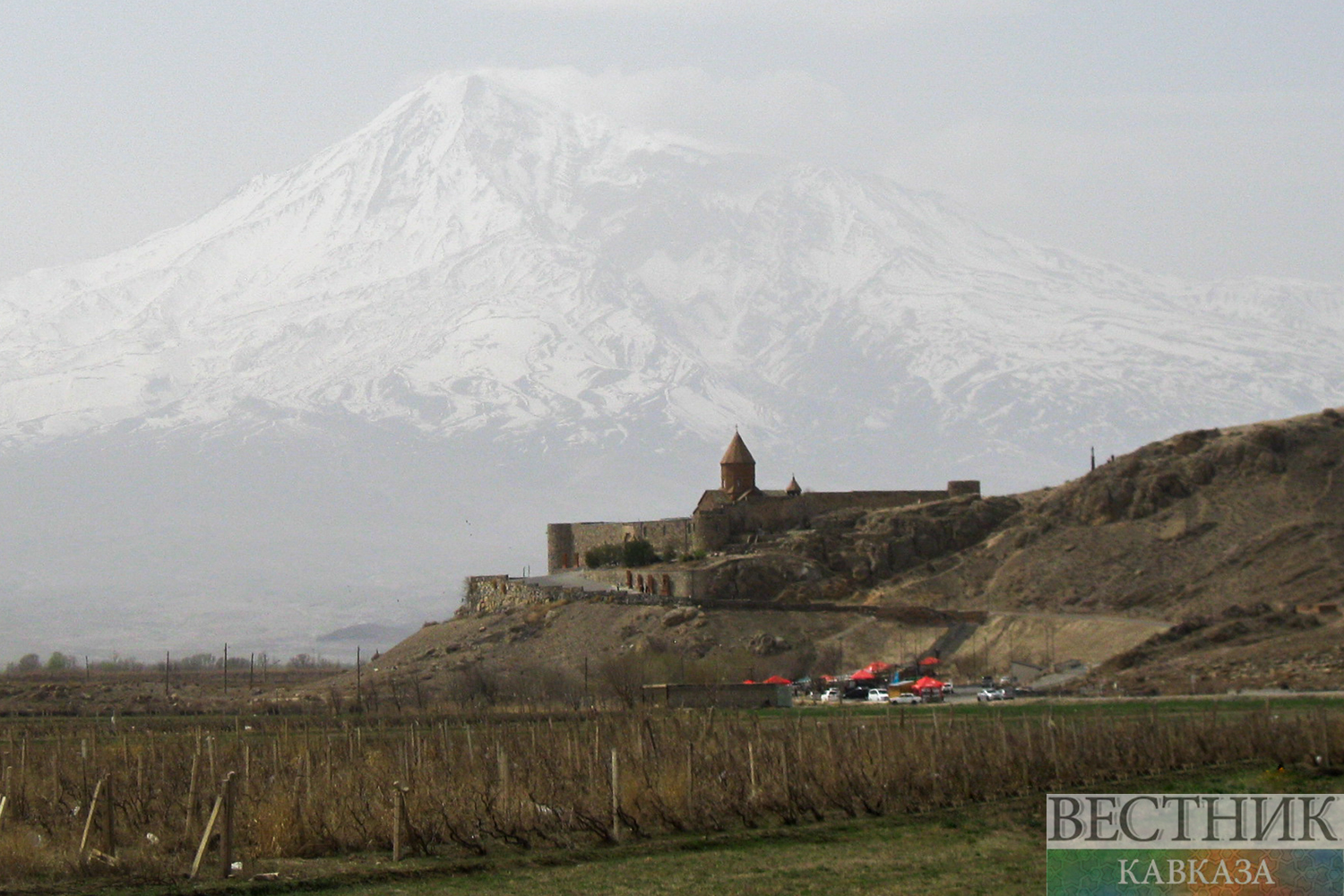
The Durupınar Formation sits just 18 miles south of Mount Ağrı - Turkey's tallest mountain, and has only been recognized by the modern world for less than a century. According to reports, intense rainfall and seismic activity in May 1948 eroded the covering mud, exposing the mysterious formation, which was subsequently discovered by a shepherd.
The scans have revealed angular formations as deep as 20 feet below the surface-characteristics that might indicate chambers beneath a deck-like structure.
"But it is exactly what you'd expect to find if this were a man-made boat, consistent with the biblical specifications of Noah's Ark," Andrew Jones said.
The team has also carried out soil testing: the grass growing within the boat-shaped formation is a different color compared to the area just outside it," indicating this could suggest a man-made origin rather than a natural one. Organic matter was found to be twice as high inside the formation compared to the surrounding soil, the potassium levels inside are also about 40% higher.
Andrew and his team intend to expand their soil analysis work beyond the 22 samples already collected. They're also planning to undertake a core drilling investigation and perform further ground-penetrating radar examinations across the location.





