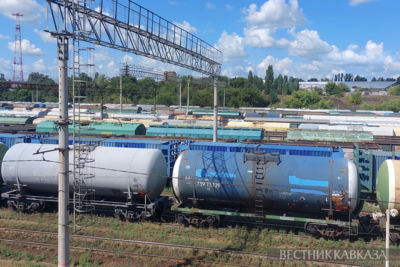
Novak estimates global diesel fuel shortage
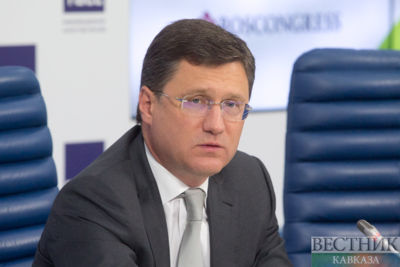
The international market is experienced the diesel fuel shortage of about 25%, Russian Deputy Minister Alexander Novak said at the Russian Energy Week 2026 forum.
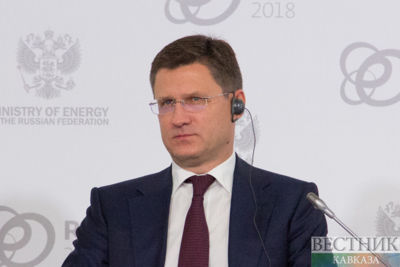
The international market is experienced the diesel fuel shortage of about 25%, Russian Deputy Minister Alexander Novak said at the Russian Energy Week 2026 forum.
Russia plans to continue importing gasoline at least until the end of 2026 for supplying the market and replenishing reserves, Russian Deputy Prime Minister Alexander Novak said on the sidelines of Russian Energy Week.
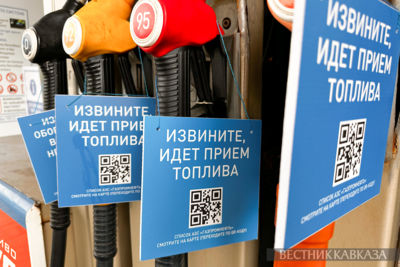
U.S. President Donald Trump said he had had a successful talk with Russian President Vladimir Putin on Friday, which addressed the supply of diesel fuel from Russia to the U.S. and global markets.
Today, another shipment of Russian products to Armenia has been carried out through Azerbaijan, Azerbaijani media reported.

Azerbaijan has exported another shipment of petroleum products to Armenia, and transit cargo was transported.
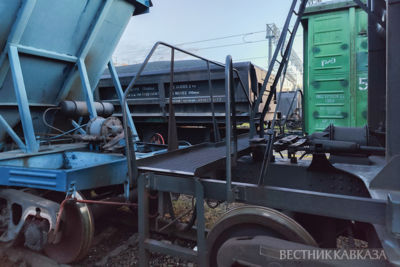
Not all fuel issues have been resolved, but their settlement is in the process and Russian Prime Minister Mikhail Mishustin is keeping them under control, Russian President Vladimir Putin said on Sunday.
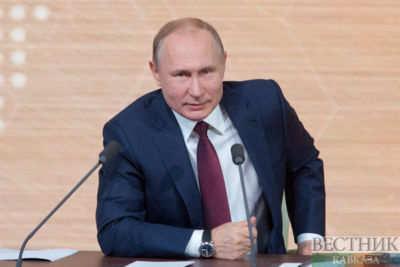
Russia has already begun importing fuel to boost supplies on the domestic market, Russian Deputy Prime Minister Alexander Novak said.
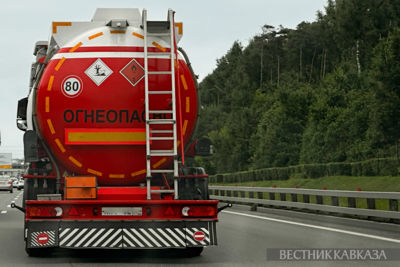
Nearly 700 metric tons of fuel have been shipped from Georgia to Abkhazia in recent days, with deliveries commencing amid an acute gasoline shortage in the breakaway region.
A tight fuel supply situation persists in several Russian regions, with Russia's Deputy Prime Minister Alexander Novak having ordered additional measures to ensure supply and monitor prices, the cabinet of ministers reported.
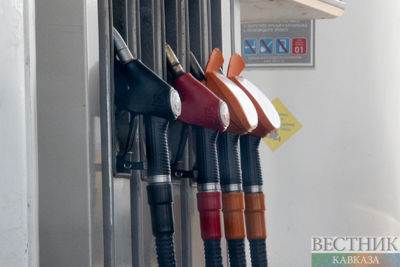
The Russian government has extended the regulation to reduce mandatory gasoline sales on exchanges to 10% until December 31, 2026, and the relative instruction has been signed, the government's press service said.
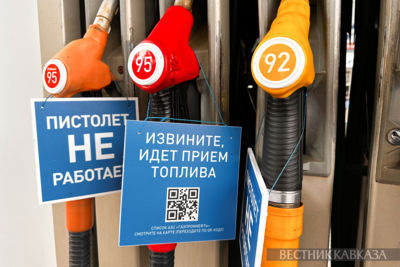
Russia's Federal Anti-monopoly Service (FAS) has suspended FAS Order No. 894/24 of November 22, 2024, until December 31, 2026, the FAS posted on the portal of public legal information.
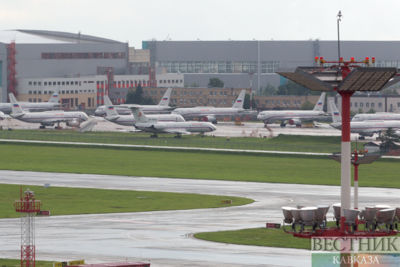
Russia’s Energy Ministry expects domestic aviation fuel production to increase by 4% in August of this year month-on-month, reaching the level of August 2025, the ministry reported.
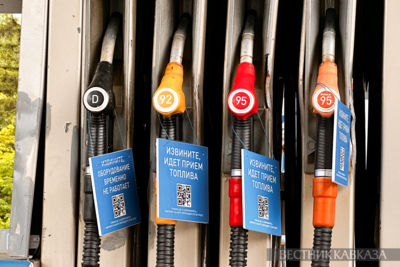
Government measures to stabilize the fuel market are yielding results, with retail restrictions already being lifted in several regions, the number of operational filling stations growing, and queues shrinking, Russian Deputy Prime Minister Alexander Novak told the Vesti news program.
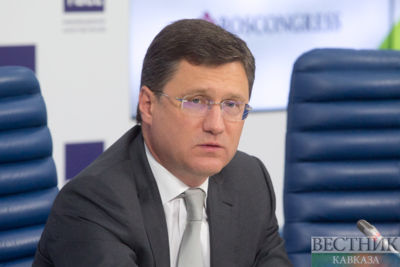
Russia remained the top supplier of crude oil and petroleum products to Turkey in May, outstripping Kazakhstan and the United States, as Ankara sourced more than 40% of its fuel needs from Moscow.
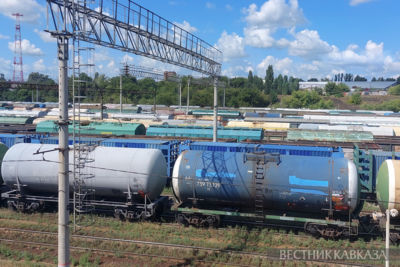
Russian authorities have imposed a ban on diesel fuel exports to increase supplies to the domestic market, Deputy Prime Minister Alexander Novak announced at еру meeting between President Vladimir Putin and the cabinet.
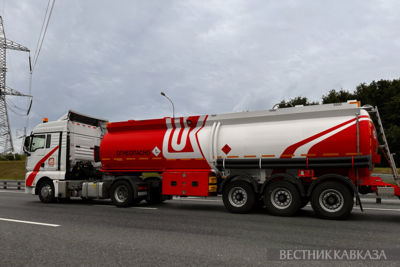
Russia’s fuel market situation remains tough, given summer peak demand and unscheduled oil refinery repairs, Russia's Deputy Prime Minister Alexander Novak at a meeting at the government's situation center.
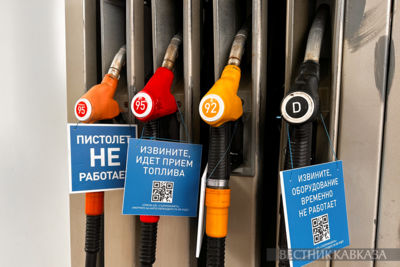
Russian Deputy Prime Minister Alexander Novak has instructed oil companies to ensure additional fuel supplies to rapidly meet domestic demand in the regions, according to a statement by the cabinet of ministers following a meeting chaired by Deputy Prime Minister on the situation in the fuel market.
Kazakhstan's Energy Ministry has drafted an order to extend the ban on gasoline exports from the country to all destinations, including member states of the Eurasian Economic Union (EAEU), for another six months - from November this year through May 2027.
Kazakhstan’s Ministry of Energy said that it has not received any requests from Russia for fuel supplies, while noting that it could consider such sales on commercial terms.
Discussions with other countries on potential fuel imports was the main topics of Tuesday’s briefing by Kremlin Spokesman Dmitry Peskov.