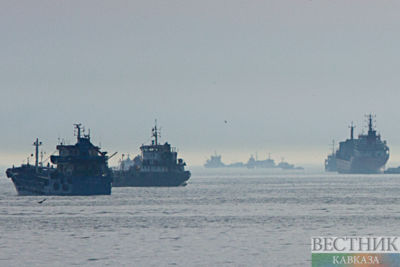
Tanker hit by projectile off UAE coast - UKMTO
A tanker was hit by an unknown projectile off the UAE coast and the fire occurred on board, the United Kingdom Maritime Trade Operations (UKMTO) Center reported.
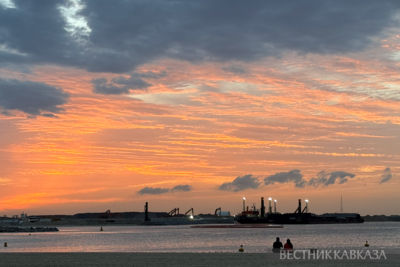
A tanker was hit by an unknown projectile off the UAE coast and the fire occurred on board, the United Kingdom Maritime Trade Operations (UKMTO) Center reported.
Iran's Revolutionary Guard warned that vessels “violating” its designated routes would be pursued and "punished" anywhere in the region, as maritime agencies reported two further strikes on commercial ships in the Persian Gulf.
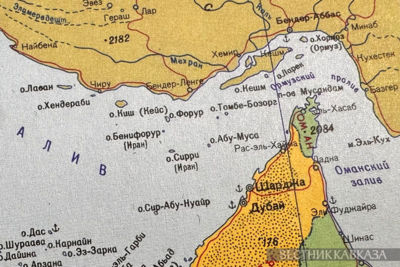
Shipping through the Strait of Hormuz will return to normal only after all of Iran’s problems have been resolved, Adviser to the Supreme Leader of the Islamic Republic Mohammad Mokhber said.
Tehran and Muscat have agreed on safe transit routes in the Strait of Hormuz and will soon present this plan to the international community.
Oil exports from the Middle East have increased, reaching and exceeding pre-war levels; daily exports stood at approximately 20 million barrels by late September, compared with 18 million barrels prior to the conflict involving the US, Israel, and Iran.
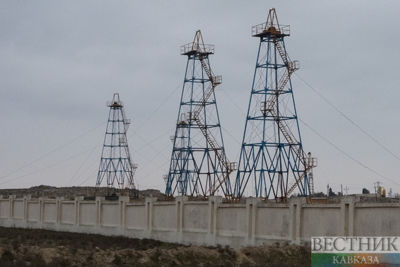
The situation in the Strait of Hormuz has reached a critical point amid the military confrontation between the United States and Iran
Iran had sent the US its seven-point proposals, which do not include nuclear commitments
He also said US forces had been defeated in an attempt to advance through the Strait of Hormuz
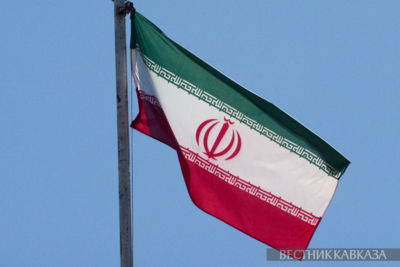
Hakan Fidan will discuss maritime navigation, regional security, and the situation in the Gaza Strip with UAE officials.
According to Iran's Foreign Minister, the US response to the proposals on the Strait of Hormuz has not yet been conveyed through intermediaries, although the White House previously made a statement on the issue.
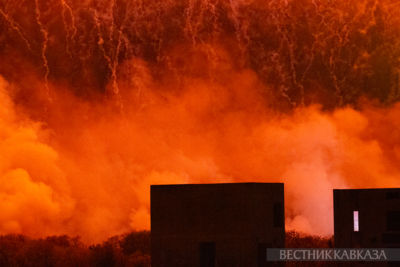
An explosion was heard near Qeshm Island in southern Iran's Hormozgan province yesterday evening, state media reported.
Iran said that U.S. and Israeli-linked commercial vessels seized during the war in the Strait of Hormuz and the Gulf will be sold with the proceeds distributed to families affected by the conflict.
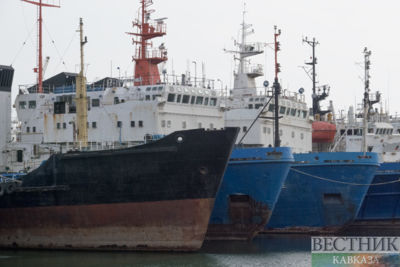
The United States has proposed investing $5 bln in a new fund that would help Middle East countries rebuild energy infrastructure, The Wall Street Journal reported.

A merchant vessel was struck by an unidentified projectile in the Strait of Hormuz, causing minor injuries to two crew members.
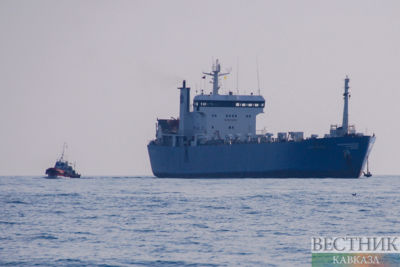
Commercial vessel transit through the Strait of Hormuz fell threefold on September 19-20 compared with the previous weekend amid a stalemate in negotiations between the United States and Iran, Reuters reported, citing data from analytics firm Kpler.
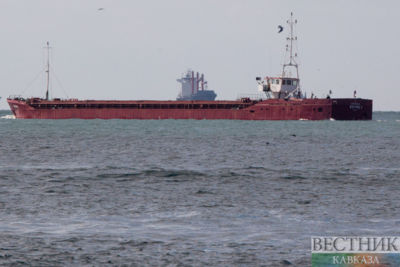
Qatar's Minister of State for Energy Affairs Saad Sherida Al-Kaabi has ruled out using pipelines as an alternative route for Qatar’s liquefied natural gas exports.
Qatari Energy Minister Saad Al-Kaabi said U.S. Treasury Secretary Scott Bessent is “wrong” when he said that the strategic Strait of Hormuz will be worthless in two years.
According to the Financial Times, container ship traffic through the Strait of Hormuz towards the Persian Gulf fell by 94% between March 1 and September 7 this year.
Iranian authorities have announced that the Strait of Hormuz will remain closed until the US government accepts all of Tehran's conditions for resolving the conflict.
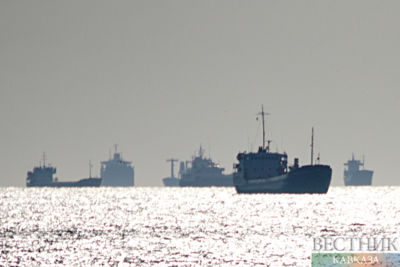
About half of the vessels were tankers, carrying a combined cargo of about 1 bln barrels of oil