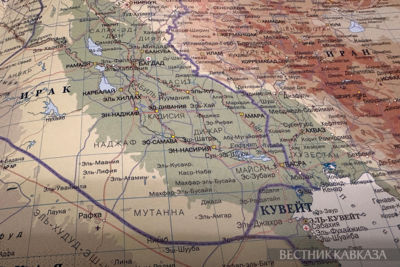
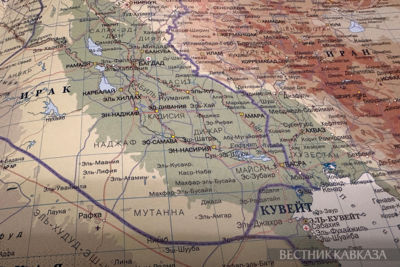
Baghdad proposes linking regions energy and transport networks
Prime Minister Ali al-Zaidi stated that the energy, transport, and communication networks of countries in the Middle East should be interconnected
Prime Minister Ali al-Zaidi stated that the energy, transport, and communication networks of countries in the Middle East should be interconnected
Iraqi Foreign Minister Fuad Hussein said that Iraq had lost about $60 billion during the recent war between the United States and Iran.
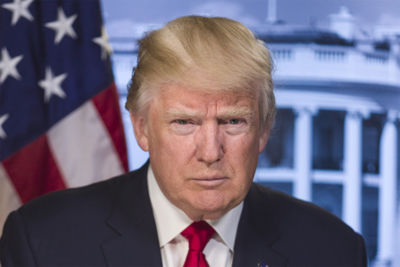
The US leader noted that Iraq will be left under the leadership of “wonderful” new Prime Minister Ali al-Zaidi
US and coalition forces have left Erbil Air Base, successfully concluding the 12‑year "Inherent Resolve" mission in Iraq, though Washington will continue limited assistance.

After state-owned Saudi Aramco tested the pipeline, the oil supplies abroad via the route were fully restored
The United States has proposed investing $5 bln in a new fund that would help Middle East countries rebuild energy infrastructure, The Wall Street Journal reported.
Iraq said it had returned restricted airspace in the western part of the country to civilian authorities, ending limits that had been in place for military operations since 2016, the Iraqi transport ministry said.
The US military is withdrawing from northern Iraq, with the dismantling of air defence systems underway in Iraqi Kurdistan and a complete withdrawal possible by month's end.
The seven OPEC+ nations, namely Saudi Arabia, Russia, Iraq, Kuwait, Kazakhstan, Algeria, and Oman, have agreed keep oil production quotas in October at the September, OPEC said.
Iraq does not want the U.S.-led international coalition’s forces to remain on its territory after September 30, the date set by the country’s authorities as the deadline for the complete withdrawal of foreign troops, government spokesman Haider al-Aboudi said.
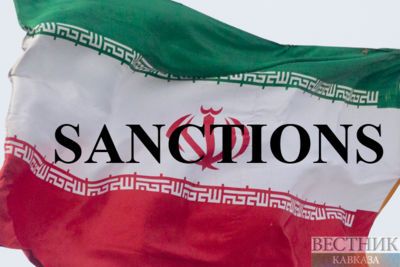
Iraqi Foreign Minister Fuad Hussein and Omani Foreign Minister Badr al-Busaidi agreed that the U.S. oughened anti-Iranian sanctions will impair trade, economic, and financial cooperation with Iran and will have a negative impact on the situation in the region, the Iraqi foreign ministry said after their phone call.
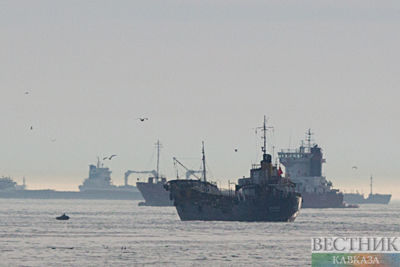
Oil tanker prices have climbed to their highest since 2008 amid rising demand triggered by the Middle East escalation.
Iraqi Prime Minister Ali al-Zaidi has said that the September 30 deadline for ending the U.S.-led international coalition’s military mission in Iraq and completing the withdrawal of its forces is “fixed and final”.
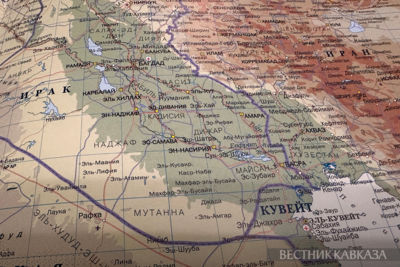
Eleven people, including a woman and a four-year-old child, were injured as a result of an attack by Houthis of Qatar's Ansar Allah rebel movement on Saudi Arabia’s Najran, Saudi-led coalition spokesman Major General Turki Al-Maliki reported.
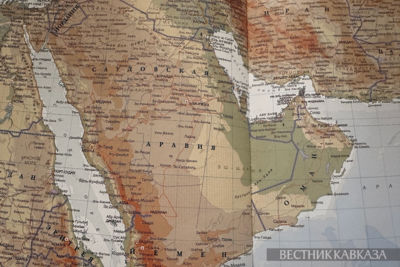
The U.S. Treasury said that the crossing out of the Iraqi airline Fly Baghdad from Iran’s sanctions lists does not mean any softening of restrictions …
The US Treasury has eased some sanctions against Iran, removing Iraqi carrier Fly Baghdad and two aircraft, Reuters reported.
The Turkish and Iraqi authorities have signed a one-year agreement to transport at least 750,000 barrels of oil per day through the Kirkuk-Ceyhan pipeline.
Tehran has condemned US and Saudi airstrikes in Iraq, warning that the attacks will lead to further escalation in the region.
The U.S. and Saudi Arabian military forces delivered strikes on Iran-aligned groups in Iraq, the U.S. Central Command (CENTCOM) reported.

A partnership agreement was signed during the Iraqi Prime Minister's visit to Türkiye