Trump reveals when he may tighten sanctions on Russia
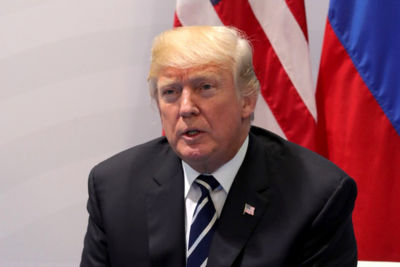
U.S. President Donald Trump said he would be ready to tighten unilateral sanctions against Russia "at any moment" if Washington and Moscow fail to reach an agreement on Ukraine.
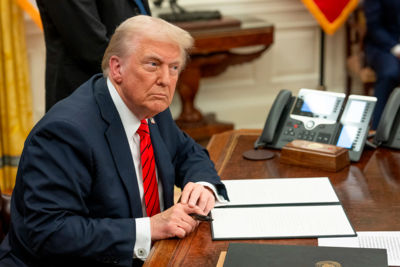
U.S. President Donald Trump said he would be ready to tighten unilateral sanctions against Russia "at any moment" if Washington and Moscow fail to reach an agreement on Ukraine.
U.S. Defense Secretary Pete Hegseth held a secret meeting with Israeli Prime Minister Benjamin Netanyahu during an unannounced visit to Israel on Monday, Axios reported, citing two sources with knowledge of the meeting.
U.S. President Donald Trump believes that a trilateral meeting with Russian President Vladimir Putin and Chinese President Xi Jinping could be held in China.
U.S. Presidential Special Envoy Steve Witkoff will meet with Russian President Vladimir Putin, Reuters reported, citing sources.
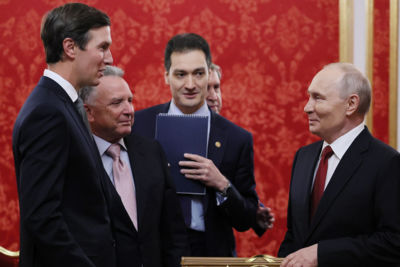
U.S. President Donald Trump has ordered the removal of sanctions on Russian diesel fuel as the move benefits Washington, U.S. Secretary of State Marco Rubio said.
The possibility of a meeting between U.S. President Donald Trump, Russian head of state Vladimir Putin, and Chinese leader Xi Jinping on the sidelines of the APEC summit in Vietnam is being discussed, U.S. Secretary of State Marco Rubio said.
Iran’s Foreign Minister Abbas Araghchi warned against the U.S. renewing attacks, saying that Tehran has “unfinished jobs” too. …
Russia, the United States and China acknowledge the possibility of a trilateral meeting, Kremlin Spokesman Dmitry Peskov said, The Wall Street Journal reported.
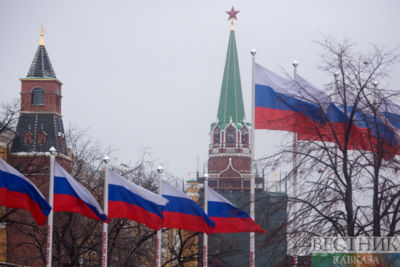
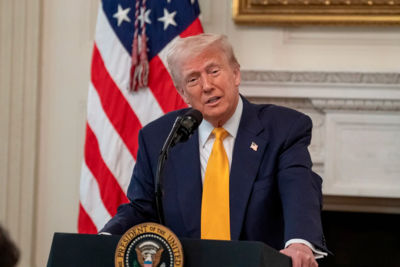
U.S. President Donald Trump has said that he could tighten sanctions on Russia whenever he chooses to do so.
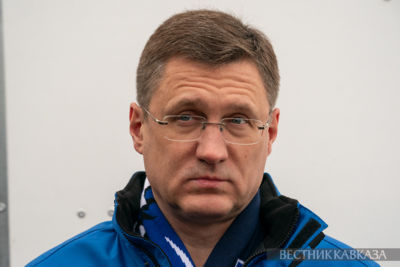
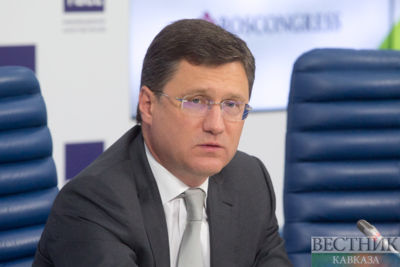
Russian diesel fuel will enter the U.S. market within 15-20 days after the signing the contracts, Russian Deputy Prime Minister Alexander Novak said in an interview with Vesti.
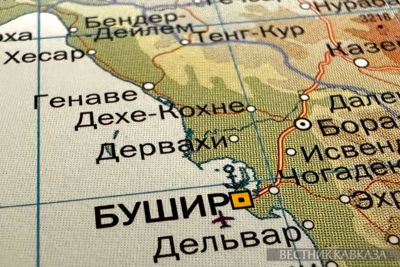
According to Mohsen Rezaei, Iran's armed forces have prepared an action plan in the event of a new military operation against the country, and he stated that this plan is even more destructive.
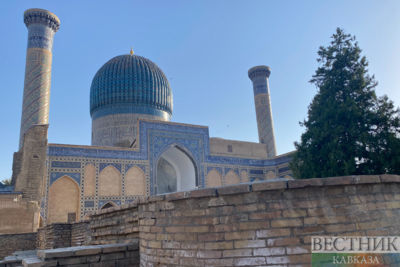
Marco Rubio has highlighted the importance of cooperation with Central Asian nations, with a C5+1 format meeting set to take place tomorrow in Samarkand, attended by the US Secretary of State.
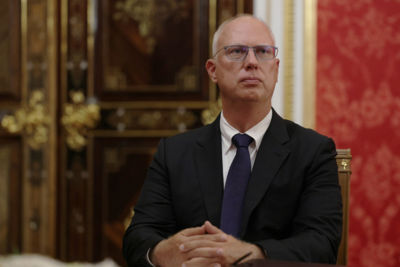
U.S. President Donald Trump's suspension of the law of the deceased Senator Lindsey Graham (recognized in Russia as a terrorist and extremist) is a historic moment, head of the Russian Direct Investment Fund Kirill Dmitriev said.
U.S. President Donald Trump has said that he would "certainly" like to see his Russian counterpart Vladimir Putin at the Group of Twenty summit in Miami, Florida, but doesn’t know whether he would come.
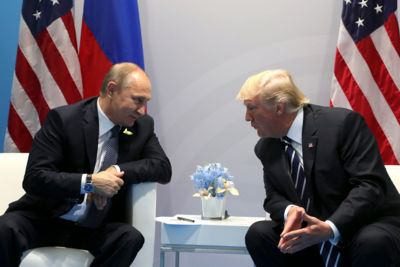
U.S. President Donald Trump is sure that the United States, Russia and China will sign agreements on nuclear arms control.
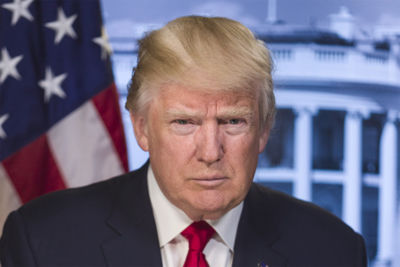
U.S. President Donald Trump has issued a decree according to which he will not impose several sanctions based on the law on tightening restrictions against Russia.
Russia and the United States will soon announce important joint initiatives, special presidential envoy and Russian Direct Investment Fund (RDIF) CEO Kirill Dmitriev said.

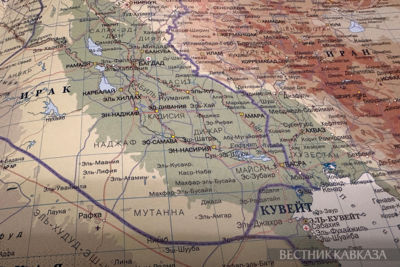
Iraqi Foreign Minister Fuad Hussein said that Iraq had lost about $60 billion during the recent war between the United States and Iran.
All issues related to freight, insurance, and the supply of diesel to the U.S. have effectively been resolved, Russian Deputy Prime Minister Alexander Novak said on the sidelines of Russian Energy Week.
Iran's ambassador said the country's citizens stand ready to respond to any US aggression, noting that Washington misjudges the Iranian people