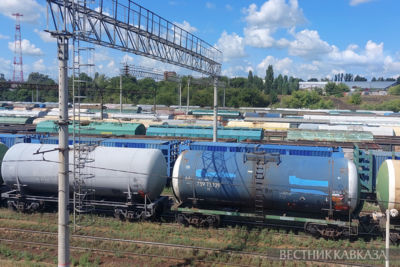
US extends sanctions waiver for Hungary to import Russian oil
The United States has extended exemptions for Hungary from U.S. sanctions on oil and gas supplies from Russia until March 19, 2027, the Hungarian Foreign Ministry said.
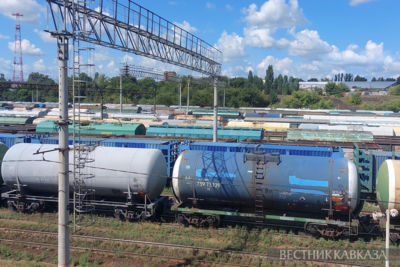
The United States has extended exemptions for Hungary from U.S. sanctions on oil and gas supplies from Russia until March 19, 2027, the Hungarian Foreign Ministry said.
Russia is a conscientious and reliable supplier of hydrocarbons, having delivered $320 bln worth of energy resources to Europe since 2022, Russian Foreign Minister Sergey Lavrov said in an article titled "The Impact of Global Economy on International Security" for Kommersant newspaper.
Kazakhstan has sent an official request to Russia regarding the resumption of Kazakh oil supplies via the Druzhba pipeline, Kazakhstan's Energy Minister Yerlan Akkenzhenov said.
Russian diesel fuel sometimes is sold on the European market under different brands, despite restrictions on purchases of Russian oil products, Russian Deputy Prime Minister Alexander Novak said.
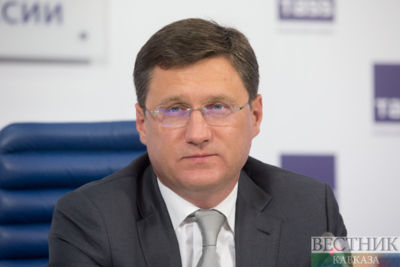
Russia is prepared to deliver whatever volume of diesel it requires to the United States as part of the diesel deal, Deputy Prime Minister Alexander Novak told Vesti reporter Pavel Zarubin when asked how much of diesel fuel Russia is prepared to supply.
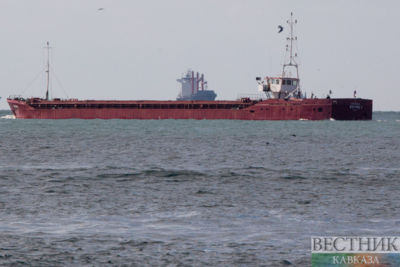
The United States is looking at easing sanctions against vessels that have been used to ship oil from Russia, Iran, and Venezuela, Reuters reported, citing a U.S. official.

According to Alexander Novak, Russia intends to comply with its established oil production quota and fulfil its OPEC+ obligations to the fullest possible extent.
Russian Minister of Economic Development Maxim Reshetnikov stated that oil production in Russia will total 494 million tonnes this year and could reach the 500-million-tonne mark by 2027.
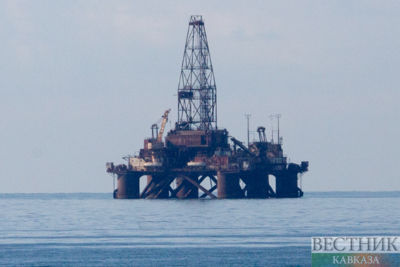
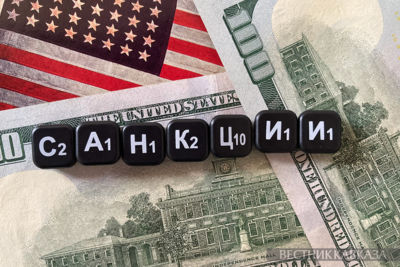
The House of Representatives of the U.S. Congress has passed the bill to toughen anti-Russian sanctions previously approved by the U.S. Senate. The Republican-majority House voted 262 to 159 in favor of the bill. The …
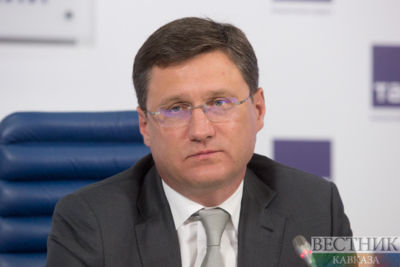
Russia currently sends 94% of its oil exports to friendly countries, Russian Deputy Prime Minister Alexander Novak said at the Russia-China Energy Business Forum.
Russia's share in oil supplies to China reached a record 23% this year, making it the largest exporter to the country, Rosneft CEO Igor Sechin said.

Oil production in Russia is currently somewhat lower than the forecast for this year due to the decrease in crude refining, but it will be ramped up as refineries are restored, Russian Deputy Prime Minister Alexander Novak said on the sidelines of the Eastern Economic Forum (EEF).
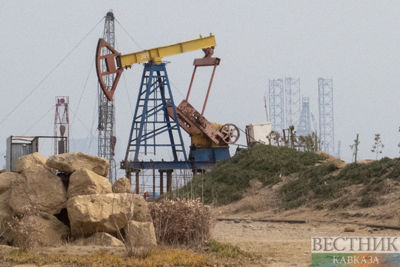
Russia’s oil and condensate reserves increased by 45 mln tons in the first half of 2026, while gas reserves added 156 bln cubic meters, head of the Federal Agency for Mineral Resources (Rosnedra) Oleg Kazanov said.
Kazakhstan’s Energy Ministry said the country’s Kondensat oil refinery will process Russian oil, with 70% of the resulting petroleum products to be shipped to Russia and the remaining 30% retained in Kazakhstan, Kazakh Energy Minister Yerlan Akkenzhenov said.
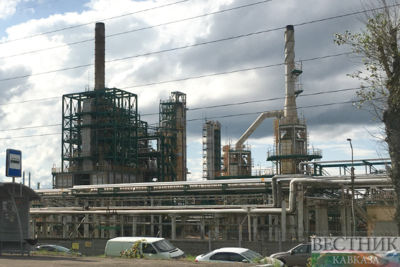
Russia's budget saw an 18% rise in non‑oil and gas revenues this year, while income from the oil and gas sector declined.
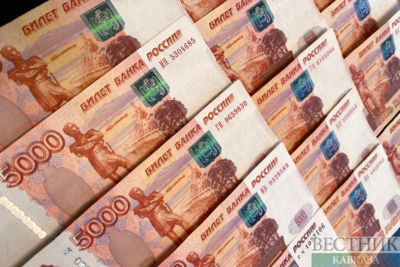
The seven OPEC+ nations, namely Saudi Arabia, Russia, Iraq, Kuwait, Kazakhstan, Algeria, and Oman, have agreed to increase daily oil production in September by 188,000 (on August), OPEC said after their meeting.
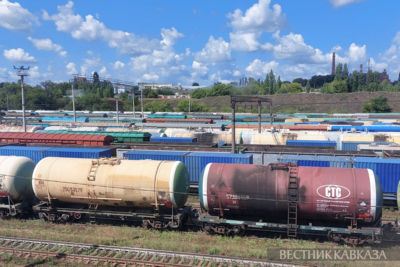
Kazakhstan is in talks with Russia to process Russian oil at its refineries with the products to be sold domestically and supplied back to Russia, the Kazakh Ministry of Energy said.
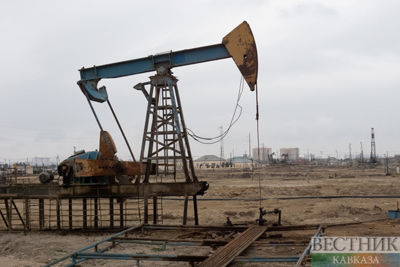
EU ambassadors have failed to agree on the 21st package of sanctions against Russia, with negotiations postponed until July 23, a diplomatic source in Brussels said.
Seven OPEC+ members have agreed to boost oil output by 188,000 bpd in August
Discussions with other countries on potential fuel imports was the main topics of Tuesday’s briefing by Kremlin Spokesman Dmitry Peskov.