US may take some oil sanctions off
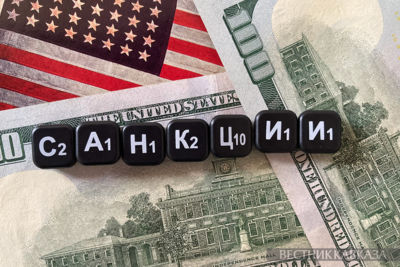
U.S. President Donald Trump announced that Washington will lift oil sanctions on some countries and may even refrain from reinstating those.
The EU should immediately lift the ban on the use of Russian oil and gas in all EU countries to prevent a shortage of energy and a sharp increase in prices due to the Middle Eastern tensions, Hungarian Minister of Foreign Affairs and Trade Peter Szijjarto said following urgent meetings of the defense and energy security councils convened by Prime Minister Viktor Orban.
Washington could decide to further ease sanctions on Russian oil, U.S. Treasury Secretary Scott Bessent told the Fox Business TV channel.
The U.S. Department of the Treasury sanctions on Russian oil will be lifted if the Ukrainian crisis is resolved peacefully, which will contribute to a reduction in global energy prices, U.S. Treasury Secretary Scott Bessent said.
The EU plans to include restrictions on third countries for the first time in its upcoming 20th package of sanctions against Russia, targeting port operations in Georgia and Indonesia, according to media.
Europe has lowered the price ceiling for Russian oil from $60 to $44.1 per barrel. This marks the first use of the price adjustment mechanism since its introduction as part of sanctions.
The Hungarian government does not intend to comply with the European Union's ban on Russian gas supplies and is considering various ways to bypass it, Hungarian Prime Minister Viktor Orban said on the Kossuth radio station.
The EU will lower its price cap on Russian crude oil to $44.1 per barrel, with the new rate taking effect on February 1, 2026.
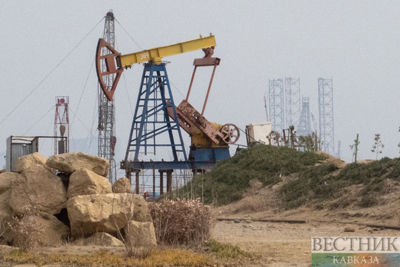
Russia has replenished the oil produced last year: while production was 0.52 billion tons, geological exploration found 0.67 billion tons in 2025, of which 0.49 billion tons are ready for production.
Russia's annual oil production will increase in the medium term to 540 million tons per year, or 3.8 billion barrels per year, or 10.35 million barrels per day, Russia's Deputy Prime Minister Alexander Novak said.
The plan covers both pipeline and liquefied natural gas
Hungary and Slovakia are preparing a joint lawsuit to the EU's planned ban on imports of Russian gas and oil, citing threats to their national energy security.
Russia will maintain its oil refining volumes at 2024 levels this year, Russian Energy Minister Sergey Tsivilyov said.
The global oil market remains sensitive to demand-supply fluctuations and OPEC+ nations will take additional measures to maintain its stability, Russian Deputy Prime Minister Alexander Novak said.
Hungarian Prime Minister Viktor Orbán has declared intensified opposition to EU initiatives targeting Russian gas and oil import.
India continues to import Russian oil despite Donald Trump's claims of reduced purchases, Russian Deputy Foreign Minister Andrey Rudenko confirmed.
Hungary is going to seek waivers from U.S. sanctions imposed on Russian companies that disrupt Russian oil and gas supplies to Central European countries, head of Hungarian Prime Minister Viktor Orban's Office Gergely Gulyas said.
OPEC is ready to raise production by rolling back its oil output cuts further if required to address market shortfalls after the U.S. imposed new sanctions on Russian oil majors, Kuwait's oil minister Tariq Al-Roumi said.
Indian refiners are reviewing bills of lading for Russian crude arriving after November 21 to make sure it is not coming directly from Rosneft or Lukoil, …
Russian company Russneft has supplied a first oil cargo to the newly built Kulevi oil refinery in Georgia this month, Reuters reported, citing LSEG ship-tracking data and industry sources.