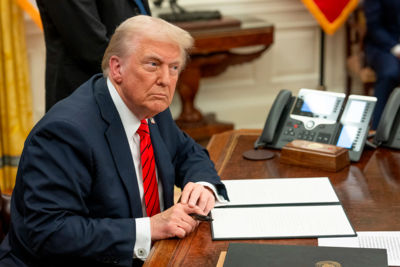
Over 30 million Iranians ready to fight US - Security Council
Iran's Security Council has announced that tens of millions of citizens are prepared to repel the US if necessary, while stating an intention to continue diplomatic contacts.
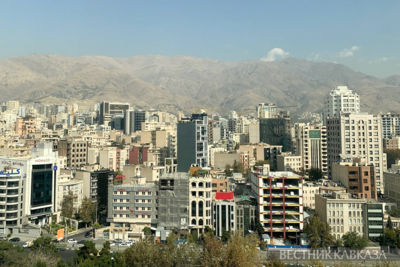
Iran's Security Council has announced that tens of millions of citizens are prepared to repel the US if necessary, while stating an intention to continue diplomatic contacts.
The Associated Press reports that the US is concerned about Iranian threats against the Fairford airbase in the UK. The Pentagon has redeployed combat aircraft amid reports of a possible sabotage plot.
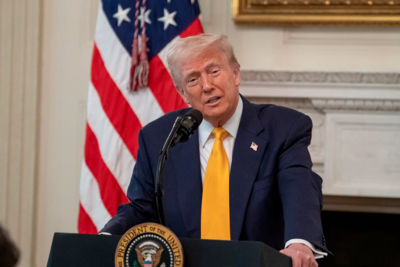
According to Trump, the conflict with Iran could end either shortly after or shortly before the congressional elections set for November 3.
Masoud Pezeshkian has accepted Oil Minister Mohsen Paknejad's resignation, handing interim leadership of the ministry to the head of the country's national oil company.
Raytheon has signed a $24.4 billion contract with the Pentagon to supply interceptor missiles amid depleted US munitions stockpiles, the Defense Department said. The five‑year deal, with an option to extend by two years, is intended to …
Iranian representatives left New York following the UN General Assembly according to a pre‑arranged schedule, refuting media reports that the State Department had demanded their urgent departure.

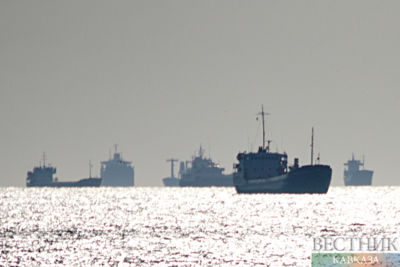
Since the maritime blockade of Iran resumed, CENTCOM has diverted 125 merchant vessels in the Strait of Hormuz, with 10 more ships turned away in the last seven days.
According to Hossein Mohebbi, a representative of IRGC, Iran is continuously engaged in developing new types of weaponry.
According to media reports, the United States and Iran held discussions with mediator nations on Monday, with the meetings focused on ending the Middle East conflict.
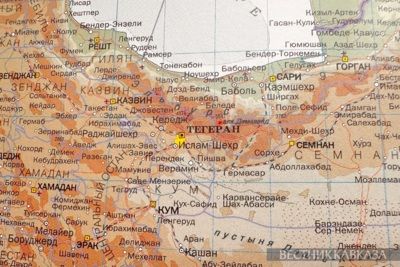
An Iranian official told Press TV that Tehran's stance on the nuclear issue remains unchanged and uranium enrichment will continue.
The UK police have begun investigating Iran's possible involvement in a plan to stage a terrorist attack at Fairford airbase, where US strategic bombers that have hit Iran are based.

Global oil prices will drop following a US victory in the war against Iran, Trump stated, noting that the US has already won the conflict militarily
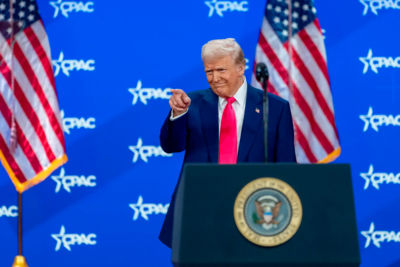
According to Trump, US strikes on Iran are possible before the November elections, while media reports earlier this week indicated the White House planned to resume strikes after the elections.
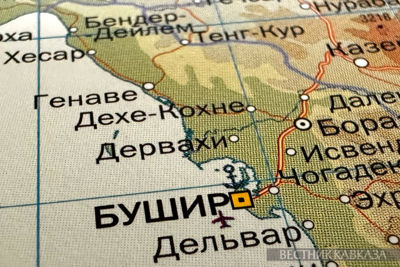
According to Iran's Foreign Minister, the US response to the proposals on the Strait of Hormuz has not yet been conveyed through intermediaries, although the White House previously made a statement on the issue.

Türkiye views news of attempts to restart US-Iran negotiations with satisfaction, though it regrets that these efforts have not yet yielded results.

The Iranian Armed Forces reported receiving intelligence that the United States, with support from regional countries, is preparing to resume military operations against Iran in the near future.
According to the Financial Times, container ship traffic through the Strait of Hormuz towards the Persian Gulf fell by 94% between March 1 and September 7 this year.

Iranian authorities have announced that the Strait of Hormuz will remain closed until the US government accepts all of Tehran's conditions for resolving the conflict.
US authorities have banned members of the Iranian delegation arriving in New York for the UN General Assembly from making high‑end purchases

According to Axios, Donald Trump has stated that a turning point in the war against Iran is approaching, with the US leader preparing a major decision on the conflict.