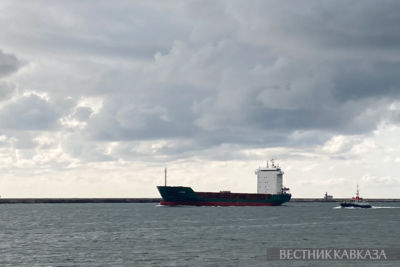
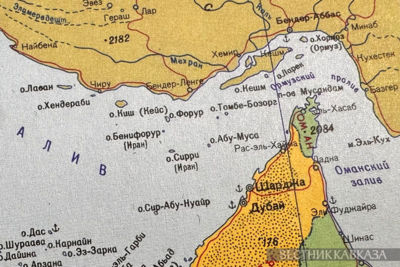
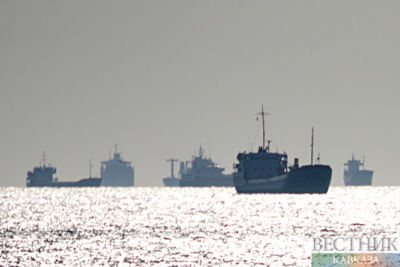
Shipping traffic in Strait of Hormuz quadruples in a week
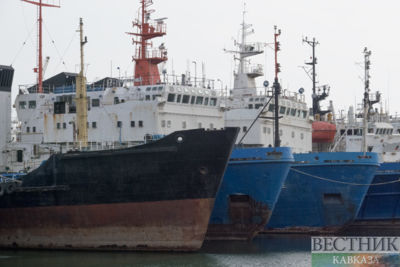
Shipping traffic through the Strait of Hormuz has increased over the past week, though volumes have yet to return to pre-crisis levels.
According to Bloomberg, European countries now view tolls for passage through the Strait of Hormuz as inevitable, while the United States is trying to block the initiative.
Saudi Arabia has transported 8 million barrels of oil through the Strait of Hormuz, marking the largest such shipment since the beginning of the regional conflict.
Tehran plans to establish a communication channel with Washington to report breaches of the MoU signed two weeks ago, aiming to end the U.S.-Israel war on Iran.
Daily oil shipments via the Strait of Hormuz have reached 10 million barrels, according to US media reports.
Russian Foreign Minister Sergey Lavrov and his Bahraini counterpart Abdullatif bin Rashid Al Zayani have held a phone call discussing the situation in the Persian Gulf, the Russian Foreign Ministry said.
Oman has delivered a proposal to the United States and other Western countries outlining a plan under which shipping companies would pay service fees to use the Strait of Hormuz, The New York Times reported, citing sources.
This is the first time such an initiative has been discussed between the two countries
Transport and food systems have been significantly affected by the blockade
The removal of mines from the Strait of Hormuz is to be carried out solely by Iran according to the Islamabad MoU between Tehran and Washington, Iran’s Deputy Foreign Minister Kazem Gharibabadi said in response to French President Macron’s comments.
A total of 124 commodity-carrying vessels have transited the Strait of Hormuz since June 25, CNN reported, citing data from analytics company Kpler.
Iranian Deputy Foreign Minister Kazem Gharibabadi, who is part of the country’s negotiating team for the implementation of the memorandum with the US, has denied reports that technical consultations with Washington were set to begin in Doha this week.
Iran and Oman held the first meeting of a joint committee on the Strait of Hormuz in Muscat to discuss current issues related to the narrow sea passageway and its future management, the Iranian deputy foreign minister said on Monday.
The need for mine clearance in the Strait of Hormuz means that months will be needed to return navigation there to pre-war figures, CEO of Japan’s NYK Line Takaya Soga told Financial Times in an interview.
Representatives of the United States and Iran reached an agreement to halt strikes and hold consultations in Doha on June 30, Axios journalist Barak Ravid said.
Any external interference in the situation in the Strait of Hormuz would only escalate tensions in the area and would not help restore shipping, Iranian Foreign Minister Abbas Araghchi said.
Iran’s Persian Gulf Strait Authority (PGSA), a government agency regulating maritime traffic via the Strait of Hormuz, said it does not guarantee safety to ships traveling outside routes established by Tehran.
The Gulf Cooperation Council (GCC) said Thursday that any future regional understandings or arrangements must incorporate the security requirements of Gulf states and safeguard their interests.
The United States regards the Strait of Hormuz as an international waterway and considers any attempt by Iran to charge vessels for passage through it unacceptable, U.S. Secretary of State Marco Rubio said during a meeting with the foreign ministers of the Gulf states in Bahrain.
Oil prices have fallen to levels last seen before the start of the Iran war as tankers begin passing through the Strait of Hormuz.