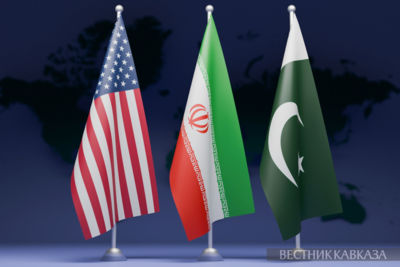
Iran announces dialogue with US via Pakistan to continue
Iranian Foreign Ministry spokesman Esmaeil Baqaei on Monday called Tehran's response to the latest U.S. proposal to end war a "generous and responsible" offer.
Israeli Prime Minister Benjamin Netanyahu appears to admit neither Israel nor the U.S. foresaw the effective use Iran would make of its control of the Hormuz Strait before the recent war began.
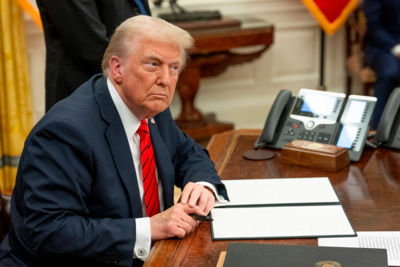
U.S. President Donald Trump called Iran's response to the U.S. proposal to resolve the conflict unacceptable.
Qatar has warned Iran not to use the Strait of Hormuz as a "pressure tool" in ongoing negotiations with the United States to end the current war.
U.S. President Donald Trump assured Israeli Prime Minister Benjamin Netanyahu that Washington would not compromise on Iran’s uranium issue.
The Iranian side’s position is that the drones were not launched from Iranian territory and that the incident was a provocation by certain third countries, Azerbaijani Foreign Minister Jeyhun Bayramov told journalists during a visit to the Alley of Honor on the occasion of the 103rd anniversary of the birth of National Leader Heydar Aliyev.
Iran has agreed in negotiations with Washington to a phased reopening of the Strait of Hormuz, according to a Wall Street Journal report citing people familiar with the matter.
Global oil reserves are declining rapidly due to the conflict with Iran and the closure of the Strait of Hormuz, with inventory levels approaching a 2018 low, Bloomberg reported
Iran has issued a warning stating that it will prohibit vessels from nations that back the USA from passing through the Strait of Hormuz. All vessels must obtain permission to navigate through the strait
According to the US Army's Middle East headquarters, US forces prevented 70 tankers and 62 other vessels from either departing from or entering Iranian ports throughout the 26 days of the naval blockade.
The role of the sea has become more significant as an alternative amid supply disruptions in the Strait of Hormuz
The parties are reportedly working on a one-page, 14-point memorandum of understanding
The ceasefire between the US and Iran remains in effect, Trump announced after American forces launched strikes on Iran.
Iranian authorities are prepared to compromise on the Strait of Hormuz if the USA lifts the naval blockade and completely curtails military activity.
On the night of May 8, the US military conducted strikes against Iranian military facilities. The strikes were reportedly in response to the attack on destroyers in Hormuz.
Iran and the United States have reached an agreement to ease the naval blockade of Iran in exchange for a gradual resumption of shipping in the Strait of Hormuz, Saudi Arabia’s Al Arabiya TV channel reported, citing Pakistani sources.
Washington plans to continue using force against Tehran until Iran no longer poses a threat to the United States, according to the U.S. Counterterrorism Strategy released by the White House.
Iran is expected to hand over its reply to mediators about the U.S. proposal to end the conflict on Thursday, CNN reported, citing a regional source.
Saudi Arabia refused to support Washington's Operation Project Freedom to help ships go through the Strait of Hormuz because the U.S. had failed to notify Riyadh of the initiative in advance, NBC News reported, citing U.S. officials.
Iran has called on all UN member states to base their actions on fairness, urging them not to support the U.S. draft resolution on shipping in the Strait of Hormuz at the UN Security Council.