Iranian Oil Minister resigns
Masoud Pezeshkian has accepted Oil Minister Mohsen Paknejad's resignation, handing interim leadership of the ministry to the head of the country's national oil company.
Masoud Pezeshkian has accepted Oil Minister Mohsen Paknejad's resignation, handing interim leadership of the ministry to the head of the country's national oil company.
Iran has moved to cut freight charges for foreign tankers involved in oil and LNG shipments.

The US military struck Iranian commercial vessels after the IRGC launched a missile attack on two US maritime patrol vessels
The Iranian Oil Ministry reported that oil exports from the country continue, but have decreased due to the US naval blockade.
The United Arab Emirates suspended financial and economic transactions with Iran following weeks of pressure from the Trump administration, The Wall Street Journal reported, citing sources.

Washington and Tehran will primarily concentrate on restoring full commercial navigation through the Strait of Hormuz and lifting the U.S. blockade on Iranian ports during the talks announced earlier by U.S. President Donald Trump, AP reported, citing diplomatic sources in a Middle Eastern country serving as a mediator in the negotiations.

US authorities have imposed sanctions against 10 more tankers and entities associated with Iran.
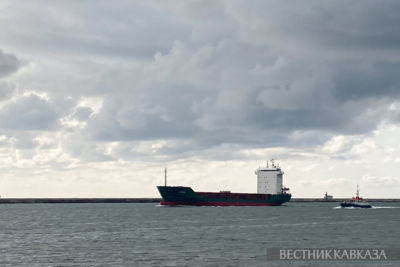
Iran exported $18 billion worth of oil during the war with the US and Israel, as well as during the ceasefire that followed.
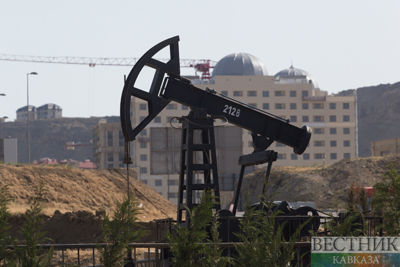
Tehran will not allow anyone in the region to sell oil if Iran it is denied such an opportunity, the speaker of Iran’s unicameral parliament Majlis, Mohammad Bagher Ghalibaf, said.

According to US media reports, Iran sold approximately 70 million barrels of oil, worth between $5 billion and $6 billion, during the month-long ceasefire with the USA.
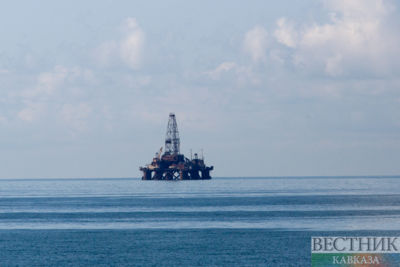
The U.S. Department of the Treasury has suspended the general license issued in June to ease U.S. sanctions against Iran’s oil sector until August 21 and has prohibited new transactions in this sphere.
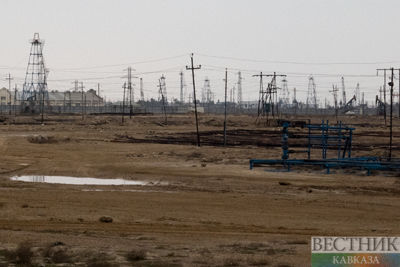
Daily oil shipments via the Strait of Hormuz have reached 10 million barrels, according to US media reports.
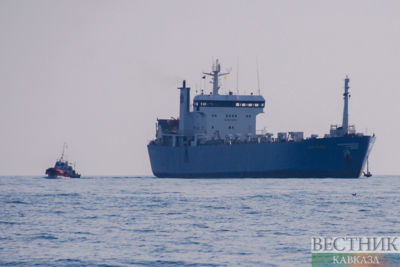
Iran has exported 50 million barrels of oil in two weeks, and its income is about $3.5 billion, according to Iranian media reports.
Iran raised its energy export prices by 20% after U.S. sanctions on its oil sales were suspended, Iran's Parliament Speaker Mohammad Bagher Ghalibaf said.
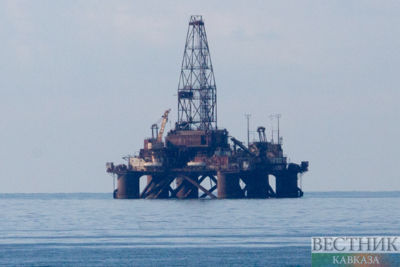
The need for mine clearance in the Strait of Hormuz means that months will be needed to return navigation there to pre-war figures, CEO of Japan’s NYK Line Takaya Soga told Financial Times in an interview.
U.S. President Donald Trump and Iranian President Masoud Pezeshkian have signed a Memorandum of Understanding to end the war between the two countries.

The United States will allow Iran to immediately begin selling oil and fuel under the deal to end the war, The Wall Street Journal reported.
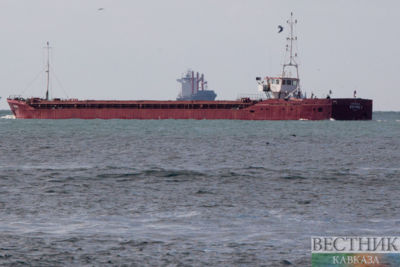
According to Iran's Foreign Ministry, signing a memorandum with the US will allow Tehran to export oil without any restrictions.
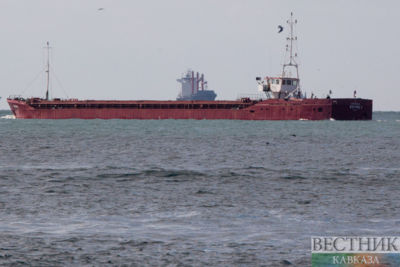
U.S. President Donald Trump revealed that the U.S. has been taking out oil from Iran amid the ongoing war, while adding that this is why crude oil prices are at $85 a barrel, not $250.
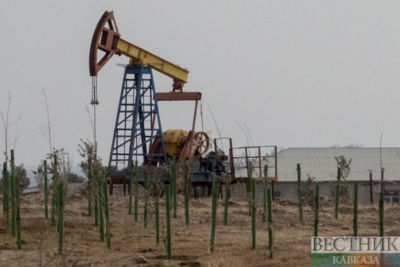
The spokesperson for the Khatam al-Anbiya Central Headquarters has suggested that oil prices could climb to $200 per barrel as a result of the ongoing conflict in the region.