Sergey Lavrov paying working visit to Tehran
Russian Foreign Minister Sergey Lavrov arrived in Tehran to discuss de-escalation steps in the Persian Gulf region with his Iranian counterpart Abbas Araghchi and meet with President Masoud Pezeshkian.
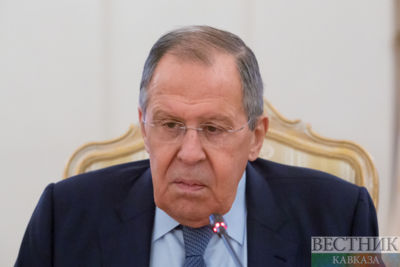
Russian Foreign Minister Sergey Lavrov arrived in Tehran to discuss de-escalation steps in the Persian Gulf region with his Iranian counterpart Abbas Araghchi and meet with President Masoud Pezeshkian.
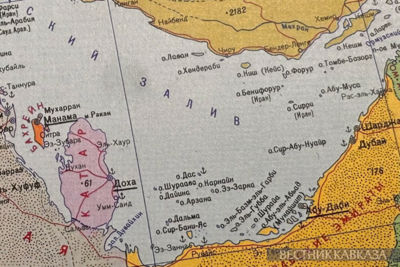
Tehran and Muscat have agreed on safe transit routes in the Strait of Hormuz and will soon present this plan to the international community.
Iranian Interior Minister Eskandar Momeni visited Doha, where he was received by the Emir of Qatar
Ararat Mirzoyan, Armenia's Minister of Foreign Affairs and International Trade, met with Iran's Foreign Minister Abbas Araghchi in Tehran
A Boeing 737 preparing to depart for Iran was seized at Istanbul Airport yesterday
Iranian authorities have announced that the Strait of Hormuz will remain closed until the US government accepts all of Tehran's conditions for resolving the conflict.
There are no plans for negotiations
Iran declared two French diplomats persona non grata on Tuesday and barred them from entering the country over alleged "illegal activities," the Iranian Foreign Ministry said.
Baku and Tehran have always stood by each other in difficult times, Azerbaijani President Ilham Aliyev wrote on his official social media page.
Iranian media reports that negotiators from Iran and Oman have finally reached an agreement on the basis of a deal to secure shipping through the Strait of Hormuz.
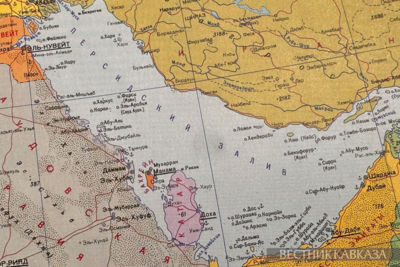
Iranian officials consider the question of navigation in the Strait of Hormuz a pretext for renewed US strikes, according to media reports.
He announced this in an interview on Fox News
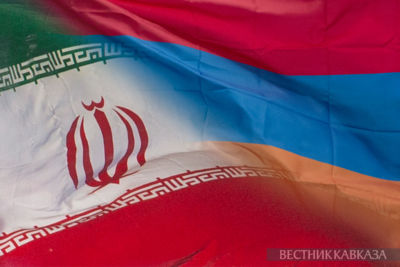
The Iranian and Armenian authorities have agreed to establish a joint specialized working group to develop bilateral cooperation in energy and gas trade
The Pakistani Foreign Ministry called on Tehran and Washington to end hostilities and resume negotiations to resolve the conflict with Islamabad's mediation.
Some of them were already transferred to the Islamic Republic
Media reports suggest that US Vice President J.D. Vance could be held responsible for the breakdown of US-Iranian negotiations and the subsequent rise in military tensions with Tehran.
Explosions in the eastern part of Iran's Tehran province were caused by the destruction of unexploded ordnance, the Fars agency reported.
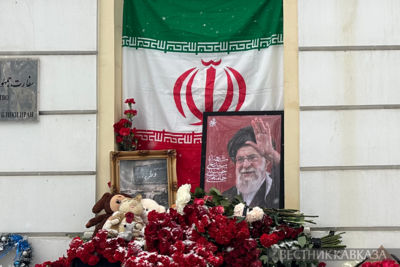
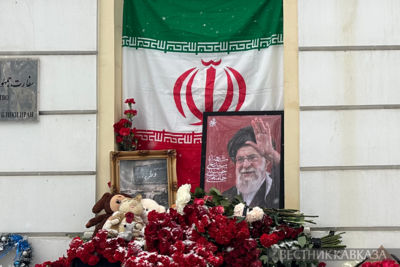
A crowd of millions assembled on Monday for the funeral procession of Iran's assassinated supreme leader Ali Khamenei in Tehran.
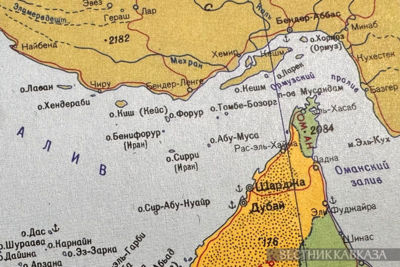
The number of vessels passing through the Strait of Hormuz near the Omani coast has dropped to its lowest level, according to US media.
Thousands of Iranians have gathered in the vicinity of Imam Khomeini Mosalla, Tehran’s largest religious complex, waiting for the opportunity to say goodbye to the deceased supreme leader of Iran Ali Khamenei.