
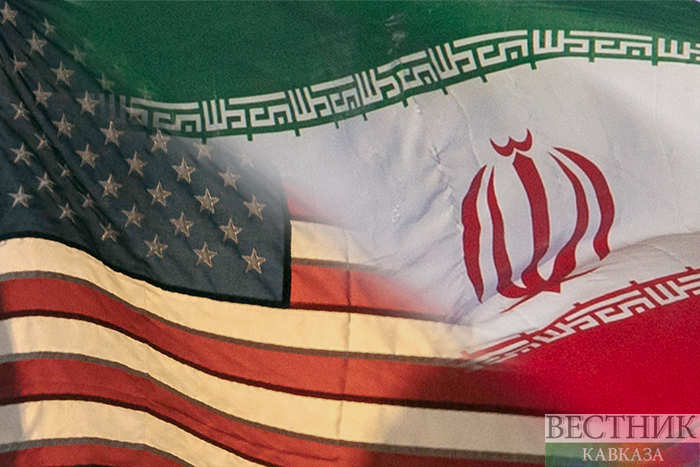
A comprehensive round of negotiations between US and Iranian delegations concluded in Islamabad at around 5:00 AM Moscow time. The talks were aimed at reaching a peace agreement and preventing further hostilities. According to Iranian media, the teams led by US Vice President J.D. Vance and Iranian Parliament Speaker Mohammad Bagher Ghalibaf failed to reach an agreement, and a decision was made not to extend the meeting - despite earlier expectations that negotiators would remain in Islamabad throughout Easter Sunday.
At a press conference following the talks, Vance confirmed that despite intensive direct dialogue, no compromise had been reached, and both sides had decided to return to their countries without even setting a date for the next meeting.
"We have had a number of substantive discussions with the Iranians. That is the good news. The bad news is we have not reached any agreements",
J.D. Vance said.
According to Vance, the US spoke openly with Iranian representatives and laid out all its positions, including the Trump administration's dos and don'ts regarding Iran's foreign policy. However, Iranian negotiators rejected the US demands.
The Vice President emphasized that Washington had been extremely accommodating during the talks - following a directive from President Trump, who wanted a new peace deal concluded as quickly as possible. All issues were discussed, including the unfreezing of Iranian assets in the West.
"We just could not get to a situation where the Iranians were willing to accept our terms. I think that we were quite flexible. We're quite accommodating",
Vance stated.
Vance noted that the American comprehensive proposal remains on the table, and Washington considers it the best option for Iran given US "red lines".
The main obstacle for the USA was the lack of confidence that Tehran genuinely does not plan to develop a nuclear bomb.
"We need to see an affirmative commitment that they will not seek a nuclear weapon. The simple question is: do we see a fundamental commitment of will not to develop a nuclear weapon - not just now, not just two years from now, but for the long term. We haven't seen that yet. We hope that we will",
J.D. Vance said.





