
Iran's volcano long believed extinct for 710,000 years is showing signs of life.
Scientists studying Taftan, in southeastern Iran, detected a summit uplift of 9 centimeters over 10 months from 2023 to 2024, and it has yet to subside.
The team said the swelling could be caused by hot fluids and gases accumulating beneath the summit, or by magma intruding three miles below the surface and pressurizing the overlying hydrothermal system.
Local reports in 2024 also noted increased volcanic activity, including visible smoke and ash emissions from the crater. Volcanoes are classified as extinct if they have not erupted since the Holocene Era, which began 11,700 years ago.
This means that while it is not currently erupting, pressure is building beneath the volcano, which could eventually be released quietly or violently in the future.
'Our findings reveal that Taftan is more active than previously recognized,' reads the study published this month.
The team found that, over the 10 months, vents at the summit released gases like water vapor, carbon dioxide, sulfur dioxide, hydrogen sulfide and hydrogen fluoride, with sulfur dioxideemissions averaging about 20 tons per day.
Local reports in 2024 also noted increased volcanic activity, including visible smoke and ash emissions from the crater
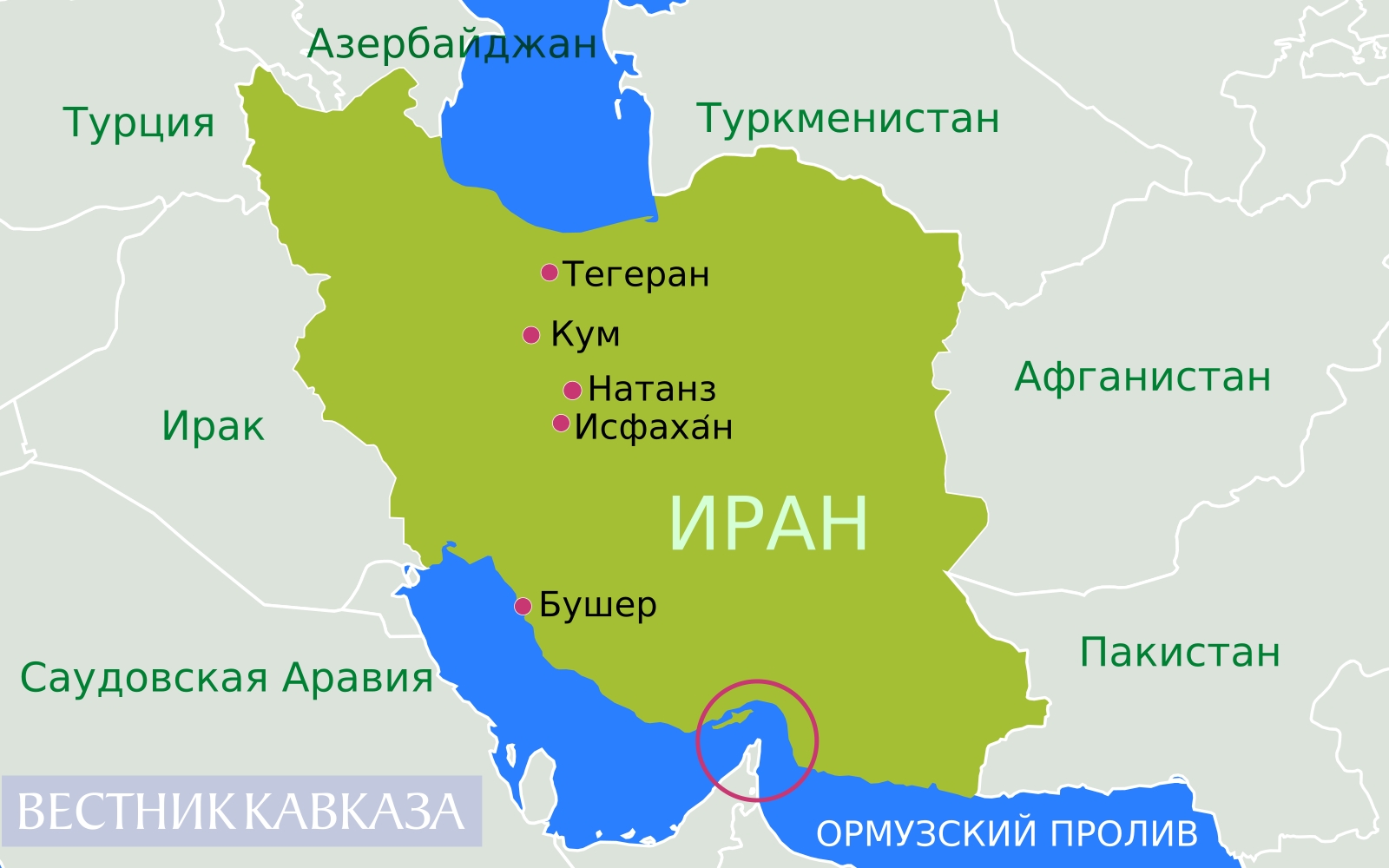
Taftan is a stratovolcano located in southeastern Iran's Sistan and Baluchestan province, near the border with Pakistan.





