
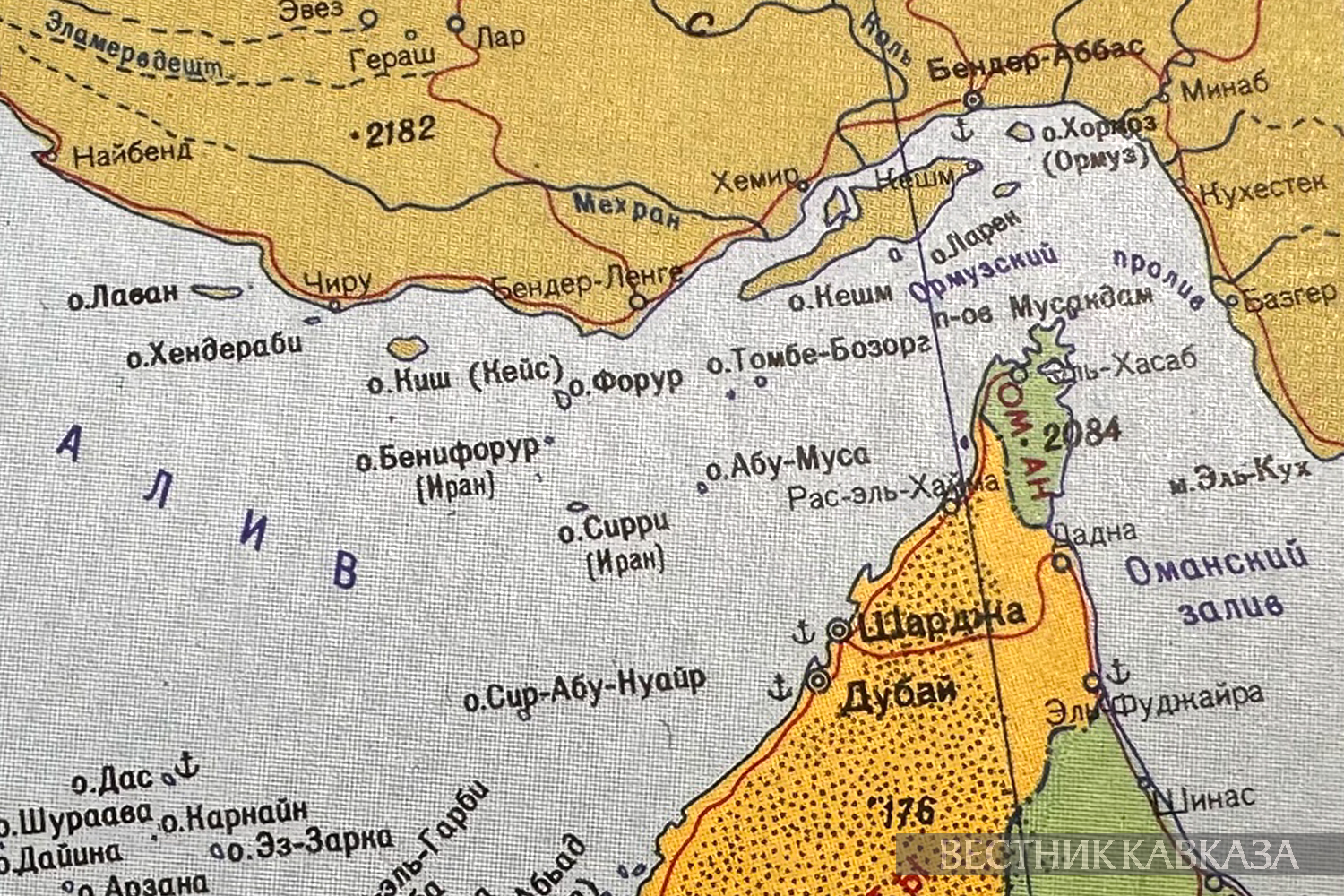
Iran has succeeded in restoring access to 30 of 33 missile sites it has along the Strait of Hormuz, allowing it to threaten vessels traversing the key waterway, the New York Times reported.
The U.S. administration’s public portrayal of a shattered Iranian military is sharply at odds with what U.S. intelligence agencies are telling policymakers behind closed doors, according to classified assessments from early this month that show Iran has regained access to most of its missile sites, launchers and underground facilities.
Most alarming to some senior officials is evidence that Iran has restored operational access to 30 of the 33 missile sites it maintains along the Strait of Hormuz, which could threaten American warships and oil tankers transiting the narrow waterway.
People with knowledge of the assessments said they show that the Iranians can use mobile launchers that are inside the sites to move missiles to other locations. In some cases they can launch missiles directly from launchpads that are part of the facilities. Only three of the missile sites along the strait remain totally inaccessible, according to the assessments.
Iran still fields about 70% of its mobile launchers across the country and has retained roughly 70% of its prewar missile stockpile, according to the assessments. That stockpile encompasses both ballistic missiles, which can target other nations in the region, and a smaller supply of cruise missiles, which can be used against shorter-range targets on land or at sea.
Military intelligence agencies have also reported, based on information from multiple collection streams including satellite imagery and other surveillance technologies, that Iran has regained access to roughly 90% of its underground missile storage and launch facilities nationwide, which are now assessed to be “partially or fully operational”.





